

Why We Don’t Recommend It
For many travelers in 2026, the most efficient way to see the world’s remaining mountain gorillas is to land in Rwanda and drive to Uganda. This route, commonly known as Bwindi gorilla trekking from Kigali, remains a gold standard for luxury and mid-range safaris alike. By flying into Kigali International Airport, you bypass the exhausting 9-hour drive from Entebbe, replacing it with a scenic 4-hour journey through the “Land of a Thousand Hills” into the “Pearl of Africa.”
However, crossing an international land border in East Africa requires precise preparation. Diplomatic relations between Rwanda and Uganda are thriving in 2026, with the Cyanika and Katuna borders fully operational and digitized. To ensure your safari remains seamless, you must understand the current visa protocols, health requirements, and logistical shifts that define the cross-border experience today.
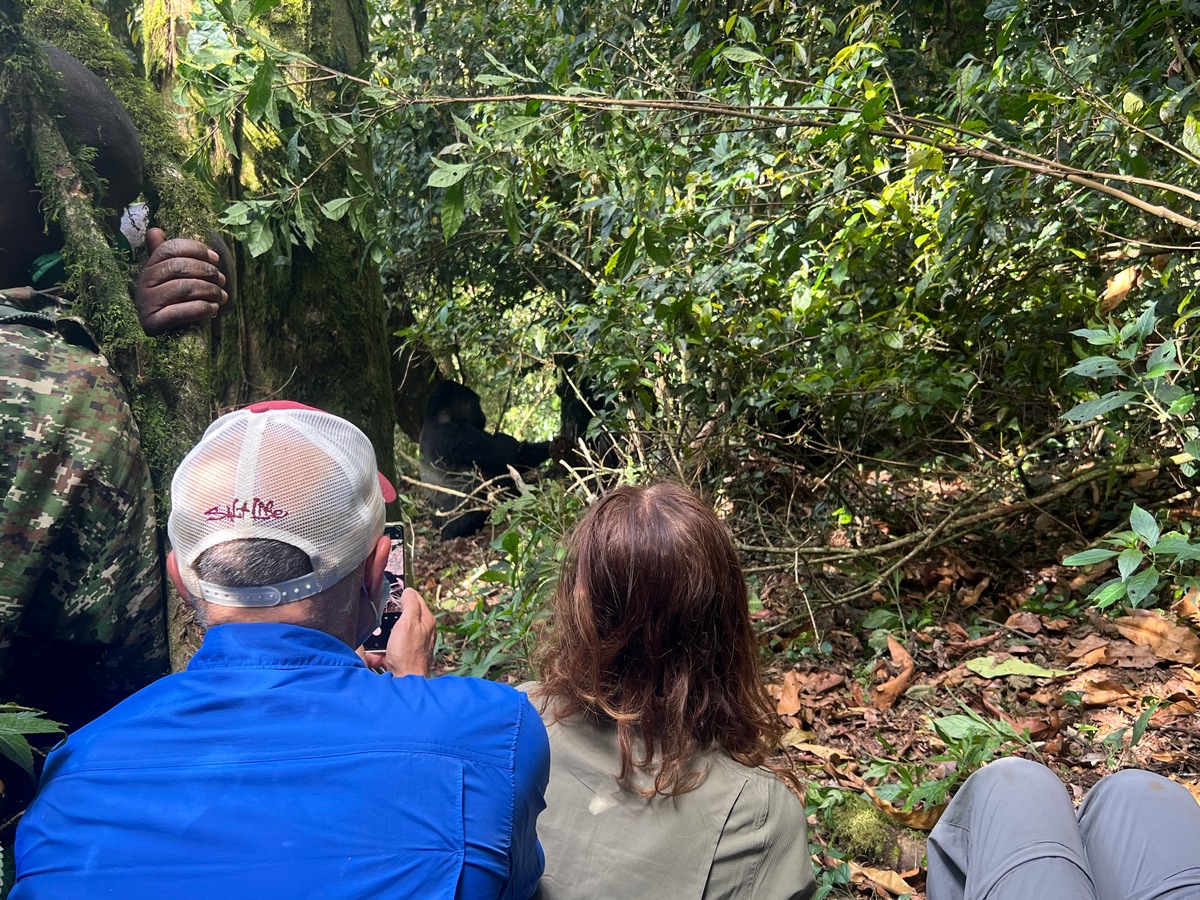
Bwindi gorilla trekking from Kigali
The Strategic Advantage of the Kigali Route
The primary reason travelers choose Bwindi gorilla trekking from Kigali is time management. Bwindi Impenetrable National Park is divided into four sectors: Buhoma, Ruhija, Rushaga, and Nkuringo. The southern sectors (Rushaga and Nkuringo) are remarkably close to the Rwandan border.
In 2026, the price of a gorilla permit in Rwanda remains $1,500, while Uganda’s permit holds steady at $800. For a couple, this represents a saving of $1,400 just by crossing the border. When you combine this cost-efficiency with a shorter driving distance, the Kigali-to-Bwindi route becomes the logical choice for any savvy adventurer.
Navigating the 2026 Border Protocols
In 2026, border crossings have become significantly more “tourist-friendly” thanks to the One-Stop Border Post (OSBP) system. This means travelers generally only stop once to clear both Rwandan and Ugandan immigration, rather than visiting two separate buildings.
1. The East African Tourist Visa (EATV)
The EATV is your most important document for Bwindi gorilla trekking from Kigali. For $100, this joint visa allows you multiple entries into Rwanda, Uganda, and Kenya for 90 days.
-
Crucial Tip: You must apply for this visa through the country of your first entry. If you land in Kigali, apply via the Rwanda Directorate General of Immigration and Emigration (IREMBO) portal.
-
Approval Time: In 2026, processing typically takes 3 to 5 business days. Do not leave this until the last minute.
2. Cyanika vs. Katuna: Which Should You Use?
Your choice of border depends entirely on your assigned trekking sector in Bwindi.
-
Cyanika Border: This is the preferred crossing for those heading to the Rushaga and Nkuringo sectors. It is quieter, more scenic, and offers a direct route through Kisoro town.
-
Katuna (Gatuna) Border: This is the busiest crossing and serves as the main artery for those heading to the Ruhija and Buhoma sectors. While Katuna is open 24 hours, Cyanika typically operates from 6:00 AM to 9:00 PM.
2026 Cross-Border Requirement Checklist
| Requirement | Details for 2026 | Pro-Tip |
| Visa Type | East African Tourist Visa ($100) | Apply via the first country of entry. |
| Yellow Fever | Mandatory Certificate | Must be valid and original (no copies). |
| Gorilla Permit | $800 (Uganda Wildlife Authority) | Book 4–6 months in advance. |
| Drive Time | 4 to 5 Hours (Kigali to Rushaga) | Account for the 1-hour time zone jump. |
| Plastic Policy | No Plastic Bags | Rwanda strictly bans all non-biodegradable bags. |
Understanding the “Time Zone Jump”
One of the most frequent mistakes travelers make during Bwindi gorilla trekking from Kigali is forgetting the time difference. Rwanda operates on Central Africa Time (CAT), while Uganda operates on East Africa Time (EAT).
Uganda is one hour ahead of Rwanda. If you leave Kigali at 8:00 AM, it is already 9:00 AM in Bwindi. This is critical if you are doing a “same-day” transfer or trying to reach a lodge before sunset. At Jackal Adventures, our drivers handle these calculations for you, ensuring you arrive at your lodge well before the evening briefing.
Health and Customs Regulations in 2026
Health protocols have stabilized significantly. While COVID-19 PCR tests are no longer a standard requirement for border entry, you must show a valid Yellow Fever Vaccination Certificate. This is a non-negotiable requirement for entering Uganda from Rwanda.
Additionally, be mindful of Rwanda’s environmental laws. As you cross back from Uganda into Rwanda, customs officials will inspect your vehicle for plastic bags. Ensure you pack your hiking gear in reusable fabric bags to avoid fines or delays at the border post.
Logistics: The Road to the Forest
The drive from the border to Bwindi involves navigating the “rolling hills” of southwestern Uganda. While the main highways are paved, the final “off-road” section to the Bwindi trailheads consists of murram (gravel) roads. In the rainy seasons (March–May and October–November), these roads can become slippery. In 2026, we highly recommend using a 4×4 Land Cruiser with high ground clearance to ensure you reach the park headquarters on time, regardless of the weather.

Bwindi gorilla trekking from Kigali
Conclusion
Executing a successful Bwindi gorilla trek from Kigali requires a partner who understands the nuances of two different nations. At Jackal Adventures, we specialize in these complex logistics. We handle the procurement of your $800 Uganda permits, provide the necessary invitation letters for your East African Tourist Visa, and supply expert driver-guides who navigate the Cyanika and Katuna borders daily.
We believe that your focus should be on the gorillas, not on immigration paperwork or road conditions. Our 2026 fleet of customized safari vehicles is ready to take you from the vibrant streets of Kigali into the ancient, misty heart of Bwindi. Let Jackal Adventures turn your cross-border dream into a seamless reality.
