The Plastic-Free Safari: A Guide to Luxury Travel with Zero Waste
February 19, 2026
No Engines Allowed: Exploring Lake Mburo via Silent Kayak
February 19, 2026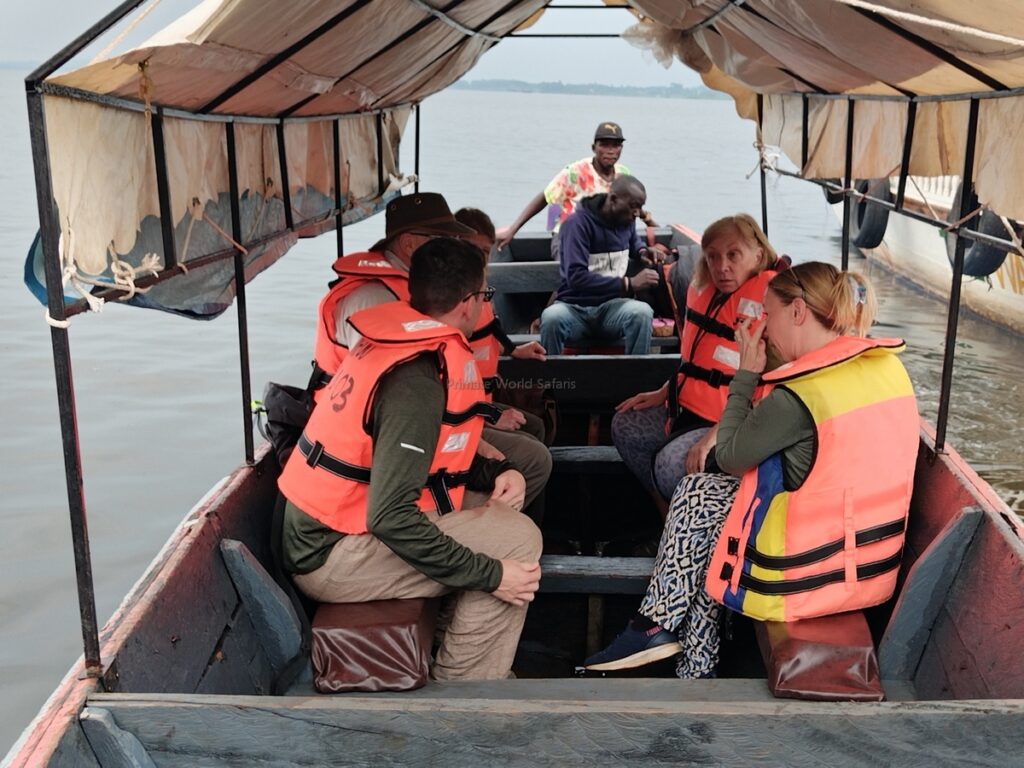
The Kazinga Raptor Migration Corridor
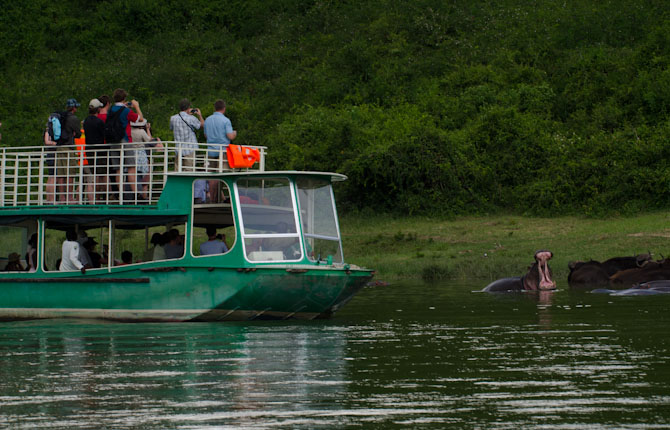
The Kazinga Channel in Uganda serves as a natural artery connecting Lake Edward and Lake George. For bird enthusiasts, this 32-kilometer stretch of water represents a paradise. While many visitors come to see the dense concentrations of hippos and buffalo, the real spectacle happens overhead. The channel acts as a vital raptor migration corridor, drawing birds of prey from across the globe. Witnessing these majestic hunters from the vantage point of a boat offers a perspective unlike any other.
In the world of ornithology, certain geographical features act as funnels for migrating birds. The Kazinga Channel is a perfect example of this phenomenon. The Rift Valley floor provides stable thermals and abundant food sources. This unique environment makes the area a primary raptor migration corridor during the northern and southern hemisphere winters. When you trade the dusty safari jeep for a quiet boat, you enter their world. You glide past the reeds and watch the skies without the vibration of an engine.
The Physics of the Flight
Raptors are masters of energy conservation. They rarely flap their wings over long distances. Instead, they rely on thermals, rising columns of warm air to gain altitude. The heat reflecting off the Escarpment and the surrounding savannah creates powerful uplifts. Because the water remains cooler than the land, the air currents along the banks become predictable paths. This predictability turns the channel into a reliable raptor migration corridor every year.
From a boat, you look up into the “V” of the valley. You see dozens, sometimes hundreds, of birds soaring in circular patterns. They “kettle” to gain height before gliding toward their next destination. Being on the water allows you to follow their movement without the obstruction of trees or hills. You catch the light glinting off the wings of a Steppe Eagle or the distinct silhouette of a Western Marsh Harrier.
Why the Channel Attracts Birds of Prey
Food availability is the second pillar of a successful migration. The Kazinga Channel teems with life. The shallow waters support massive fish populations, which in turn attract African Fish Eagles in staggering numbers. However, the migratory species seek more than just fish. The lush banks host thousands of smaller birds, reptiles, and rodents. This bounty provides the necessary fuel for birds traveling thousands of miles.
| Species Name | Migration Type | Best Viewing Month | Distinguishing Feature |
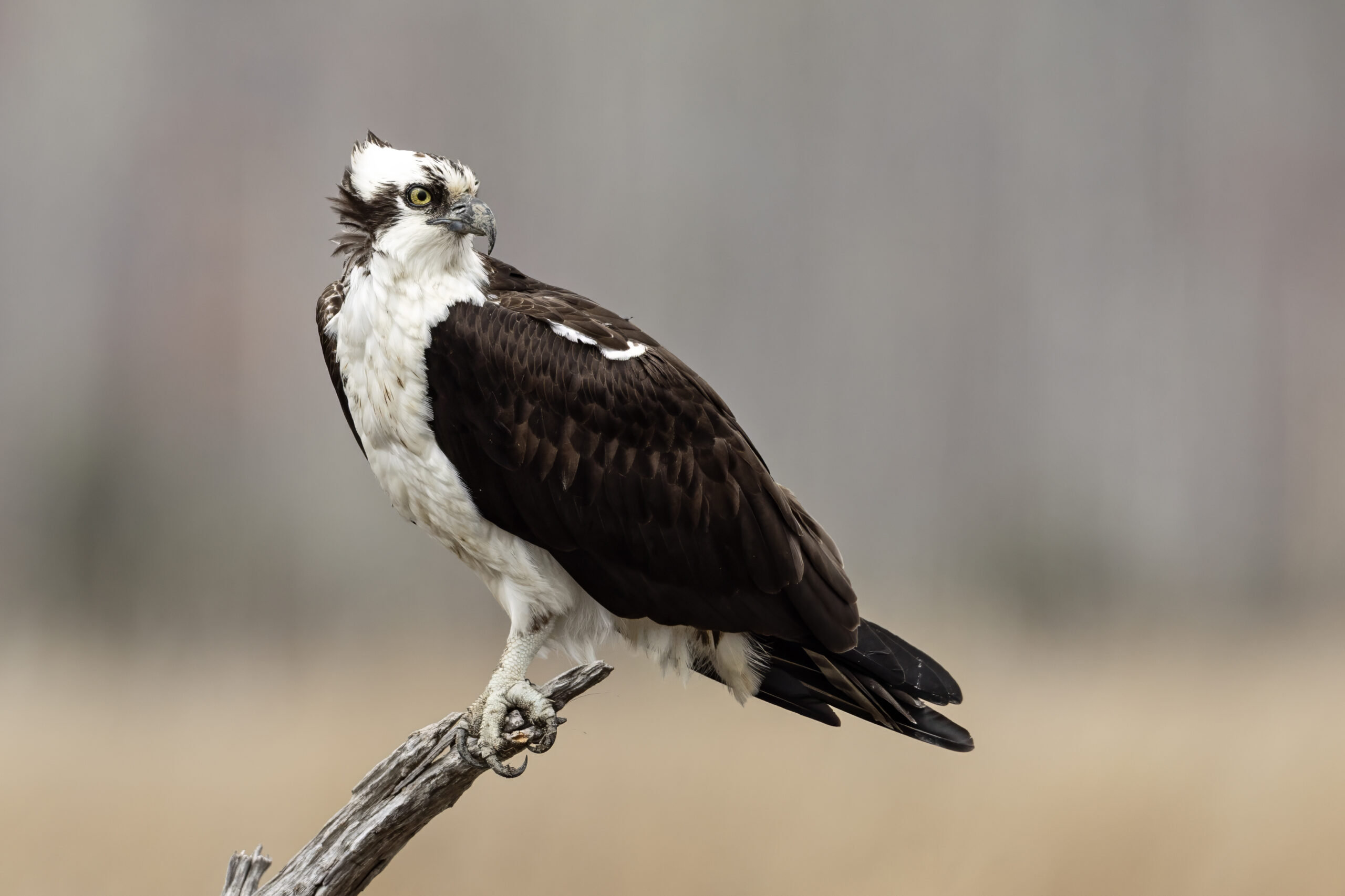
| Osprey | Palearctic Migrant | November – February | White head with dark eye stripe |
| Steppe Eagle | Long-distance Migrant | October – March | Deep gape and heavy body |
| Lesser Kestrel | Palearctic Migrant | November | Hovering flight pattern |
| Pallid Harrier | Palearctic Migrant | December – February | Pale, ghostly grey plumage |
| African Fish Eagle | Resident | Year-round | Iconic haunting call |
| Bateleur | Resident/Nomadic | Year-round | Very short tail and red face |
The Advantage of Birding by Boat
Birding by boat changes the rules of engagement. On land, the sound of a vehicle often flushes birds before you can even focus your binoculars. On the water, birds are remarkably tolerant of boats. They view the vessel as just another floating object, similar to a log or a hippo. This allows for incredibly close encounters.
You can approach a perched Lappet-faced Vulture or a resting Black Kite without causing distress. This proximity is essential for photographers. You capture the intricate patterns of the feathers and the intensity in the bird’s eye. Furthermore, the boat provides a stable platform. You can use a tripod or a gimbal to track a bird as it dives for prey. The unobstructed 360-degree view ensures you never miss a raptor entering the raptor migration corridor from the horizon.
Key Species to Watch For
While the residents are impressive, the migrants are the stars of the show. Between October and April, the sky becomes crowded. The Osprey is a frequent visitor. You might see it plunge into the water and emerge with a tilapia in its talons. The Lesser Spotted Eagle and the Booted Eagle also frequent the area.
Perhaps the most exciting sight is the arrival of the Harriers. They hunt low over the reed beds, using their acute hearing to find prey. From the deck of the boat, you are at eye level with these agile hunters. You watch them twist and turn with speed. This concentration of diverse species confirms the channel’s status as a world-class raptor migration corridor.
Conservation and the Future
Protecting this corridor is vital for global biodiversity. Many of these raptors face threats in their breeding grounds in Europe and Asia. The Kazinga Channel provides a haven where they can rest and feed. Jackal Adventures supports local initiatives that monitor these migration patterns. We believe that by showcasing these wonders, we inspire a deeper commitment to their protection.
Climate change and habitat loss remain constant challenges. However, the protected status of Queen Elizabeth National Park offers hope. When you choose a guided boat safari, you contribute to the local economy. This creates an incentive for communities to protect the birds rather than see them as competitors for fish or livestock.
Conclusion
At Jackal Adventures, we understand the rhythm of the wild. Our expert guides know every bend of the Kazinga Channel and every silhouette in the sky. We provide the binoculars, the expertise, and the quietest boats to ensure your birding experience remains unmatched. We don’t just show you the birds; we immerse you in their journey. Secure your spot on our next departure and witness the power of the sky. Choose Jackal Adventures to elevate your safari beyond the ordinary.