

The 48-Hour Safari Revolution
For decades, the Big Five safari was a logistical marathon. If you wanted to see the lion, leopard, rhinoceros, elephant, and buffalo in their natural habitat, you packed for a week, flew into Arusha, and braced for the vast, dusty distances of the Serengeti. But Rwanda, a country better known for its mist-shrouded volcanoes and mountain gorillas, has quietly staged one of Africa’s greatest conservation comebacks.
Today, Akagera National Park isn’t just a side trip for primate trekkers; it is a legitimate, high-octane alternative for time-poor travelers. Here is why this 1,122-square-kilometer gem is outperforming its larger neighbors for the modern, busy adventurer.
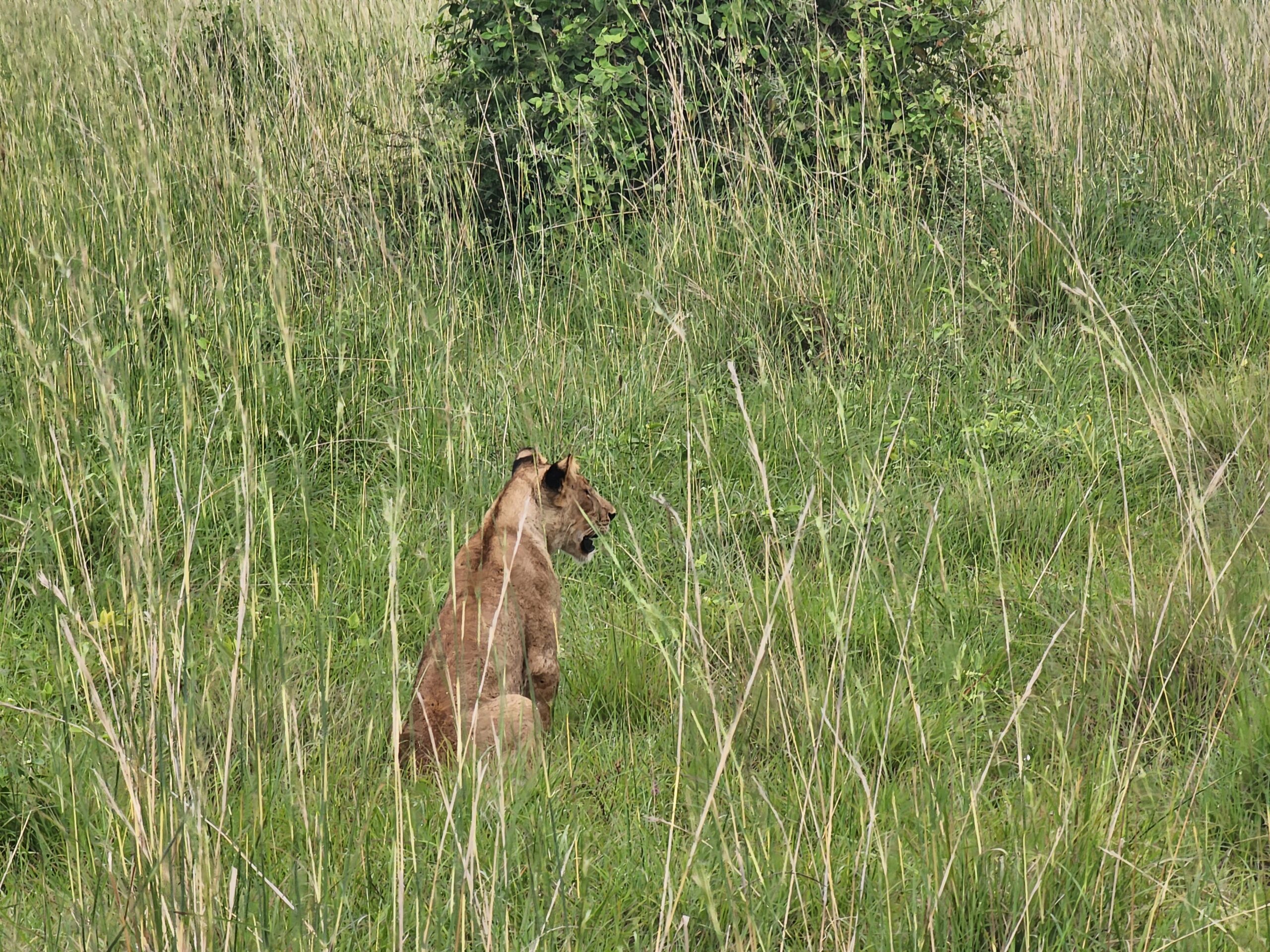
Akagera’s Big Five Success
The Resurrection
To understand why Akagera is a success story, one must understand how close it came to vanishing. In the late 1990s, the park was a shadow of its former self. Following the 1994 Genocide against the Tutsi, the park’s borders were reduced by over 50% to accommodate returning refugees and their cattle. The result was catastrophic for wildlife: lions were poisoned to protect livestock, and the last rhinos were poached out of existence by 2007.
The turnaround began in 2010 when the Rwanda Development Board entered a long-term management agreement with African Parks, a non-profit conservation organization. They didn’t just manage the land; they rebuilt the entire ecosystem from the soil up.
The reintroduction timeline is a masterclass in wildlife logistics:
- 2015: Seven lions were flown in from South Africa. Today, that pride has flourished, and the population has more than tripled, proving the habitat could once again support apex predators.
- 2017 & 2019: Eastern black rhinos returned to the acacia scrubland, re-establishing a species that had been absent for a decade.
- 2021 & 2025: Massive translocations of southern white rhinos, the largest single rhino translocation in history, cemented Akagera’s status as a complete Big Five sanctuary.
Unlike the Serengeti, where you might drive for hours without seeing a fence, Akagera is a managed wilderness. This isn’t a zoo experience; it is an intensive protection zone. The park is fully fenced along its western boundary, allowing near-zero poaching and a high wildlife density in a manageable area.
Why Akagera Wins for the Time-Poor Traveler
The Serengeti is iconic, but it is also massive (30,000km). A 2-day trip there often results in more time spent on the highway than with the animals. Akagera offers a “distilled” safari experience that fits into a weekend without sacrificing the wow factor.
- The Proximity Factor: Most major African parks require a domestic bush flight or an 8-hour kidney-rattling drive. In Rwanda, you can land at Kigali International Airport at 8:00 AM and be watching a herd of elephants by 11:30 AM. The park is a mere 110 kilometers from the capital on smooth, paved roads.
- Ecosystem Compressed: Within a single afternoon, you can transition from the papyrus swamps and hippos of Lake Ihema to the rolling acacia hills of the central circuit, and finally to the classic, gold-grass open savannah of the Kilala Plains in the north.
- Night Drives & Water Safaris: This is Akagera’s secret sauce. Many Tanzanian parks forbid night driving. In Akagera, guided night drives offer your best shot at spotting the elusive leopard or the wide-eyed bushbaby. Additionally, the boat safari on Lake Ihema offers a 360-degree perspective of crocodiles and water birds that land-locked parks simply cannot provide.
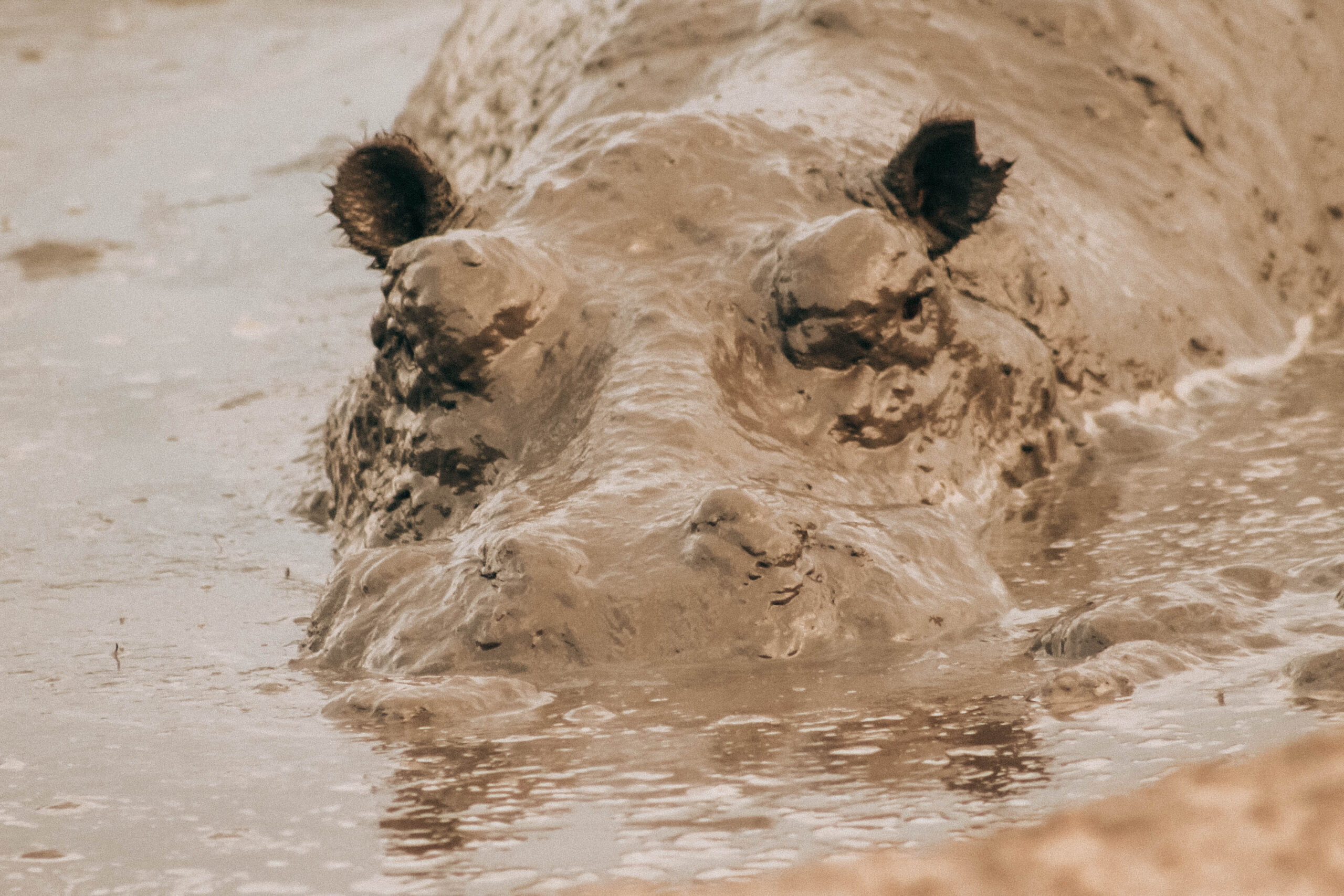
Akagera’s Big Five Success
Akagera vs Serengeti
| Feature | Akagera National Park (Rwanda) | Serengeti National Park (Tanzania) |
| Travel Time from Hub | 2.5 hours from Kigali | 6–8 hours from Arusha |
| Minimum Viable Stay | 1–2 Days | 4–5 Days |
| Crowd Levels | Low (Intimate experience) | High (Often vehicle congestion) |
| Big Five Presence | Yes (Concentrated) | Yes (Dispersed) |
| Unique Activities | Night drives, Boat safaris, Behind the Scenes. | Great Migration, Balloon Safaris |
| Landscape | Lakes, Swamps, Hills, Plains | Endless Savannah |
| Best For | Business travelers, Weekend escapes | Deep wilderness immersion |
Exploring with Jackal Adventures
While the park is accessible, navigating its complex network of swamp-side tracks and northern plains requires an expert eye. This is where Jackal Adventures has carved out a niche. We specialize in the Safari-on-the-Go model, catering to international consultants, NGO workers, and luxury travelers who only have 48 hours to spare.
Jackal Adventures doesn’t just provide a driver; we provide a storyteller. Our guides are trained to understand the specific nuances of Akagera’s rewilding project. They know exactly which thicket a leopard family has been frequenting or where the white rhinos are likely to graze during the midday heat. In Akagera, the story is as much about the people as it is the predators. Every ranger you meet and every guide from Jackal Adventures is a stakeholder in Rwanda’s future,” says one frequent traveler. “You aren’t just looking at animals; you’re witnessing a country’s healing through its landscape.”
The Ultimate 48-Hour Itinerary
If you are booking through Jackal Adventures, your itinerary is precision-engineered:
- Day 1: The Water & The Dark. Depart Kigali at dawn. By midday, you are on a boat on Lake Ihema, drifting past pods of hippos and massive Nile crocodiles. After a sundowner at Akagera Game Lodge, you head out for a 2-hour night drive. This is the Leopard Hunt, where spotlights reveal the nocturnal world of civets, servals, and owls.
- Day 2: The Great North. You head north through the park. This is a 6-hour slow burn through the most beautiful landscapes in the country. You’ll pass buffalo herds of 500-strong and families of elephants. The climax is the Kilala Plains, the Serengeti of Rwanda, where the lions and rhinos roam. You exit through the North Gate and are back in Kigali in time for a celebratory dinner at 8:00 PM.
The Verdict
The Serengeti will always be the King of the African safari for those with time and deep pockets. But Akagera is the Challenger. It is accessible, conservation-forward, and surprisingly wild. It proves that you don’t need a bush plane and a week of vacation to stand in the presence of the Big Five. For the modern traveler, Rwanda’s only savannah park isn’t just a viable alternative; it’s the smarter choice.
