

Regenerative Safari Travel 2026
The safari industry is undergoing a profound and necessary evolution. For years, “sustainable travel” focused on minimizing negative impacts, reducing plastic, conserving water, and lowering carbon footprints. While vital, sustainability merely seeks to maintain the status quo. In 2026, a dynamic new philosophy is taking root in the heart of Africa: Regenerative Travel. This approach doesn’t just aim to ‘do no harm’; it proactively seeks to heal, restore, and improve the destination. Consequently, regenerative safari travel 2026 is redefining what it means to go on holiday, turning travelers into active participants in landscape and community restoration.
Modern adventurers no longer want to be passive observers. They seek a deeper connection with the places they visit. They want to know that their presence contributes to the flourishing of wildlife and the empowerment of local communities. This shifting mindset has propelled regenerative travel from a niche concept to the defining trend of 2026. This article explores how your next safari can be a powerful force for good.
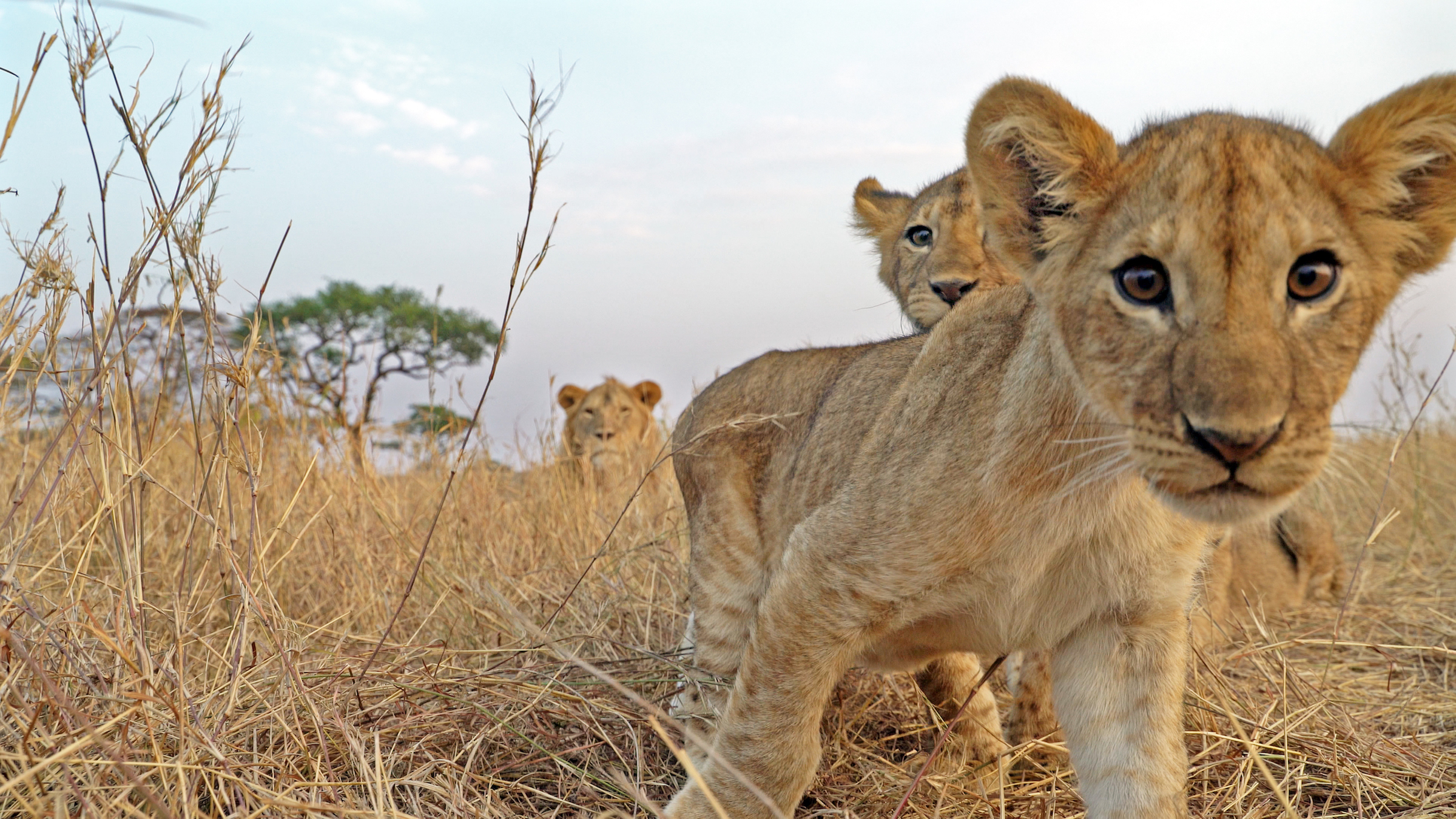
Regenerative safari travel 2026
Understanding Regeneration: Moving Beyond Sustainability
So, what exactly is regenerative safari travel 2026? If sustainability is the baseline, keeping things from getting worse, regeneration is the upward curve toward improvement. Think of it as leaving a tip for the ecosystem. It means restoring degraded landscapes, reintroducing endangered species, and creating thriving economies for the people living alongside wildlife.
This philosophy acknowledges that tourism, when managed correctly, is a potent tool for conservation. The revenues generated by safaris fund anti-poaching units, finance reforestation projects, and provide alternative livelihoods for communities that might otherwise rely on poaching or unsustainable agriculture. Regeneration shifts the paradigm from extraction (taking photos and memories) to contribution (giving back time, energy, or funds). Travelers in 2026 are embracing this opportunity to be part of the solution.
Restoring the Land: Healing African Ecosystems
One of the most exciting aspects of regenerative travel is landscape restoration. Safari operators are increasingly investing in rewilding projects, converting degraded farmland or hunting blocks back into pristine wilderness. Your safari choice directly supports these massive efforts.
For instance, in areas where overgrazing has depleted the soil, innovative techniques like holistic planned grazing are being used to restore grassland health. This mimics the historical movement of large herds, allowing the land to recover and sequester carbon. Furthermore, reforestation is a massive component of regenerative safari travel in 2026. Many camps invite guests to plant indigenous trees, directly combating desertification and creating vital wildlife corridors. These projects don’t just benefit the animals; they improve soil health, water retention, and local air quality, creating a resilient environment for both nature and people.
Species Reintroduction: Bringing Back the Wild
A truly regenerative safari often involves witnessing or supporting the reintroduction of key species. Leopards, rhinos, and wild dogs are being returned to regions where they were once locally extinct. These efforts restore ecological balance. Predators control herbivore populations, which in turn protects vegetation from overgrazing.
Your presence is critical to this process. The presence of tourists deters poachers, and the revenue provides the necessary funds for translocation, monitoring, and veterinary care. Some specialized safaris even offer guests the chance to track these newly reintroduced animals, contributing crucial data to conservationists. This interactive experience creates a powerful sense of connection and purpose. It transforms a standard wildlife viewing holiday into a direct investment in the biodiversity of the continent.
Community Empowerment: The Heart of Regeneration
True regeneration is impossible without the active participation and benefit of local communities. Regenerative safari travel 2026 ensures that those living nearest the wildlife are its primary beneficiaries. This goes beyond simple employment. It involves revenue-sharing models where communities receive a percentage of every bed night, land lease agreements that provide long-term income, and investments in local infrastructure, education, and healthcare.
When communities derive tangible benefits from wildlife, they become its fiercest protectors. They see the animals as assets to be cherished rather than threats to their crops or livestock. Regenerative safaris encourage cultural exchange, supporting artisan cooperatives and promoting traditional knowledge. This approach creates a virtuous cycle where conservation and development are inextricably linked. By choosing a regenerative operator, you directly contribute to poverty reduction and local empowerment.
The Regenerative Traveler Checklist: 2026 Edition
Adopting a regenerative mindset starts long before you board the plane. To ensure your journey aligns with the regenerative safari 2026 ethos, use this checklist to guide your planning and behavior:
-
Select “Circular” Lodges: Prioritize accommodations that utilize 100% solar power, recycle greywater for land restoration, and eliminate single-use plastics entirely.
-
Pack for the Environment: Use biodegradable toiletries and reef-safe sunscreens to protect local water sources. Choose high-quality, durable gear that you won’t leave behind as waste.
-
Engage in “Citizen Science”: Many regenerative camps provide apps or logs for you to record wildlife sightings. Your data helps conservationists track species health and migration patterns in real-time.
-
Support Direct Economies: When buying souvenirs, purchase directly from artisan cooperatives. This ensures that 100% of the profit remains within the community, supporting local craftsmanship and livelihoods.
-
Offset Your Journey: While we work to reduce emissions, use verified African carbon-sequestration projects to offset your flight. Look for projects that focus on indigenous reforestation in the very regions you are visiting.
Conclusion
The rise of regenerative travel signals a hopeful future for African safaris. It is a future where travel is not a luxury that costs the earth, but an investment that helps it flourish. Choosing regenerative safari travel 2026 is a declaration that you care about the long-term health of the wild places you love. It transforms you from a tourist into a steward of the land.
At Jackal Wild Adventure, we have wholeheartedly embraced this regenerative ethos. We carefully select partners who demonstrate a genuine commitment to ecological restoration and community development. We believe your safari should be an unforgettable adventure that also leaves a positive, lasting impact. Join us in 2026 and experience the thrill of knowing your journey is leaving Africa a little wilder, a little greener, and a lot better than you found it.
