

Which Ride Wins for Your 2026 Adventure?
Selecting the perfect transport is just as critical as picking your destination or lodge. Whether you are navigating the rugged trails of the Serengeti or the lush tracks of Bwindi, your choice of safari vehicle determines your comfort, your photography angles, and your overall safety. In 2026, modern upgrades have transformed traditional transport into high-tech mobile viewing platforms.
By understanding the pros and cons of different models, you can ensure that your journey across East Africa is seamless. Furthermore, the right transport allows you to reach remote corners of the wilderness where wildlife thrives undisturbed. Let us explore the essential factors that make a safari vehicle the best fit for your specific expedition style.
Understanding the Primary Types of Safari Vehicles
East African safaris generally utilize two main types of transport. While both aim to get you close to the action, they offer very different experiences in terms of durability and visibility.
1. The Custom 4×4 Land Cruiser
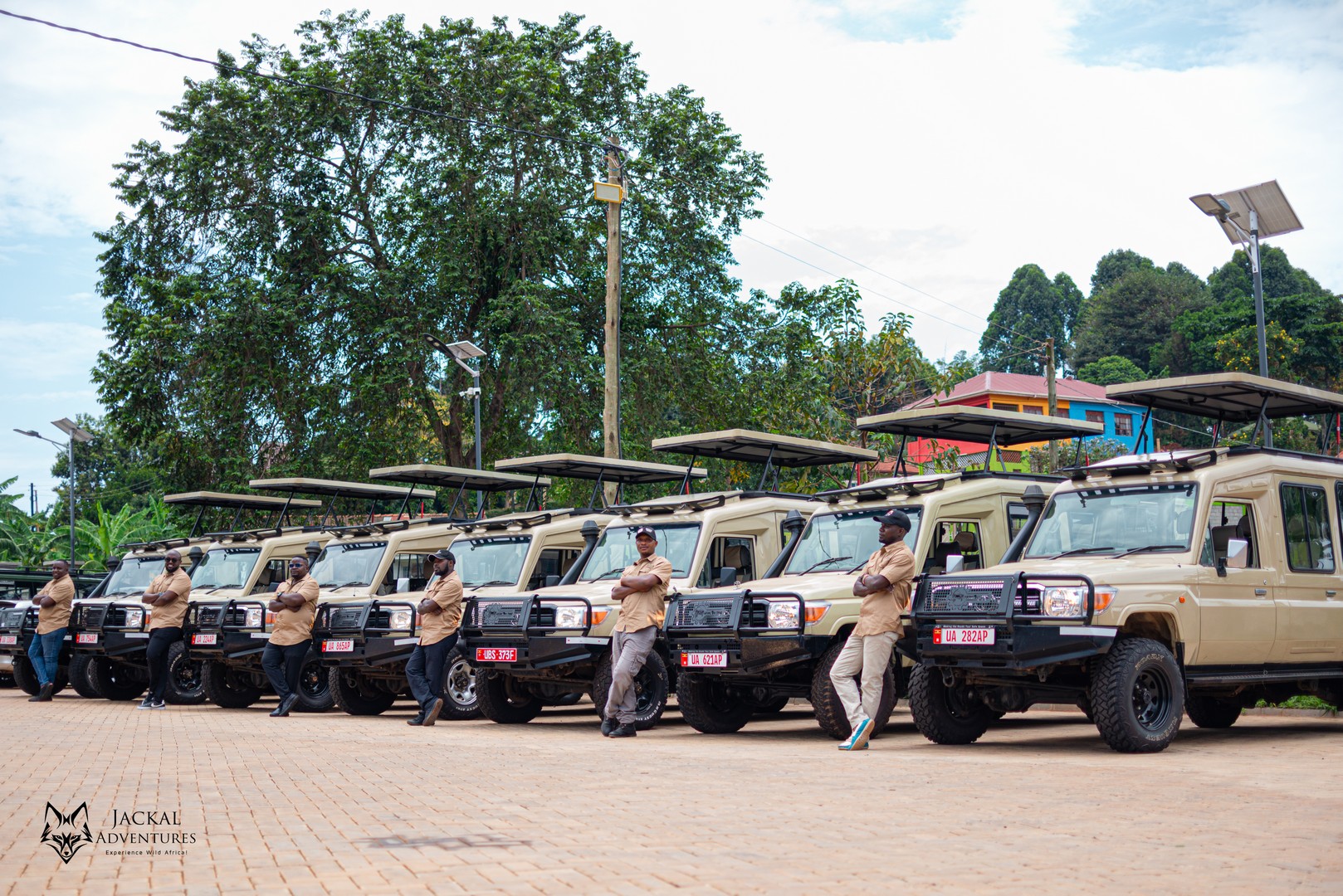
The 4×4 Land Cruiser is the undisputed king of the African bush. Specifically, these vehicles feature heavy-duty suspension systems designed to handle the “African massage” of corrugated dirt roads. Most cruisers accommodate between five and seven passengers, ensuring every guest has a window seat. Moreover, the pop-up roof or “hat” allows for 360-degree standing views, which is essential for capturing that perfect lion kill or a distant leopard on a branch.
These vehicles also offer higher ground clearance for navigating deep ruts and river crossings. Furthermore, many models include an extended chassis to provide more legroom for long-distance travel between parks. They often come equipped with dual spare tires and heavy-duty jacks for remote self-sufficiency. Consequently, the Land Cruiser remains the gold standard for rugged, off-road expeditions in the Serengeti or Mara.
safari vehicle
2. The Safari Minivan
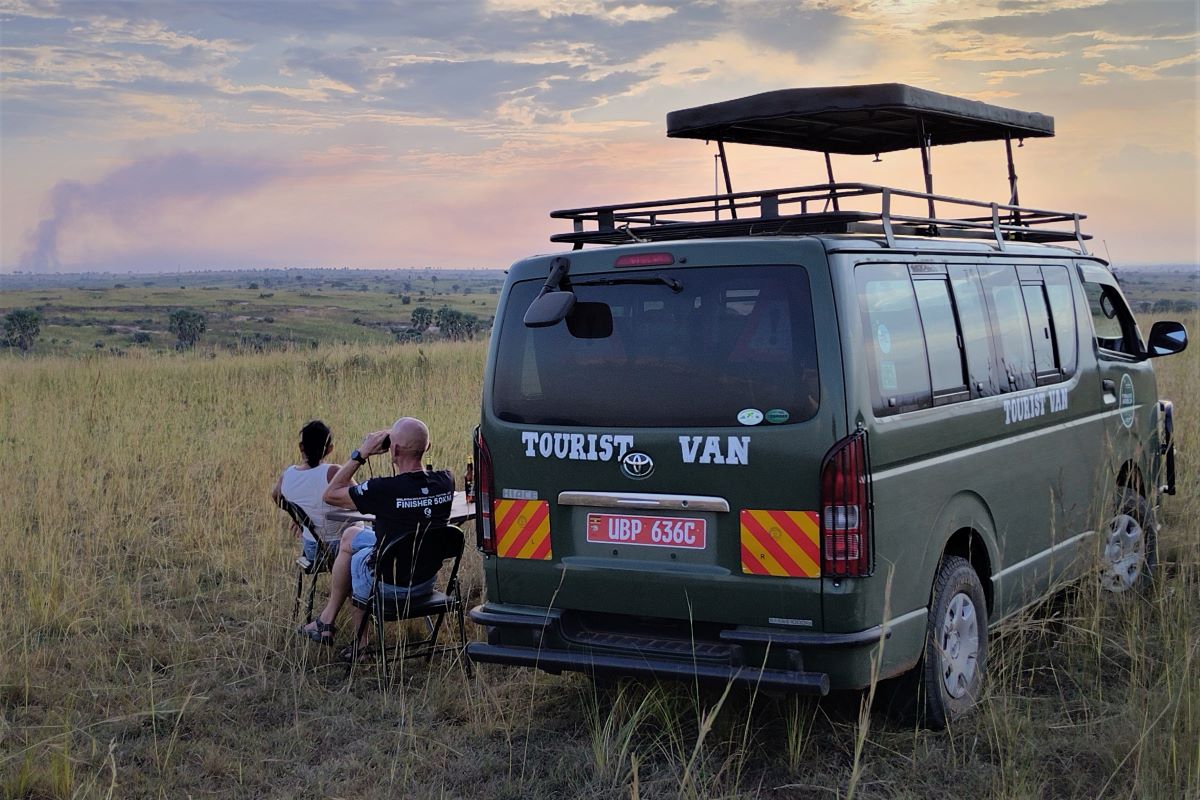
In more developed parks or for budget-conscious travelers, the safari minivan is a popular choice. In particular, these vans often feature pop-up roofs similar to the Land Cruisers. While they offer a smoother ride on paved highways, they lack the high ground clearance needed for deep mud or rocky river crossings. Consequently, we recommend vans for families visiting well-maintained parks like Nairobi National Park or Nakuru.
These vehicles are generally more fuel-efficient, which helps keep the overall safari cost lower. Additionally, the interior often feels more spacious for smaller children who need room to move during drives. Most vans include large sliding windows that provide decent airflow and viewing angles. However, they are best suited for the dry season when park tracks are firm and predictable.
safari vehicle
Top 5 Features to Look for in 2026
When you book your trip, do not hesitate to ask about the specific specs of your transport. In 2026, premium operators have upgraded their fleets to include amenities that bridge the gap between rugged adventure and modern luxury.
-
In-Vehicle Charging Points: Ensure your safari vehicle has USB ports or international power outlets at every seat. These keep your camera and phone batteries full during 10-hour game drives. Many 2026 models even offer wireless charging pads for added convenience.
-
Refrigerator or Cooler Box: Staying hydrated is vital in the equatorial heat. High-end vehicles feature built-in fridges to keep your water, juices, and “sundowner” drinks ice-cold. Furthermore, these cooling units allow you to store fresh snacks or specialized medication safely during long transits.
-
On-Board Wi-Fi: Many modern fleets now offer satellite-linked Wi-Fi for consistent connectivity. This allows you to share your sightings with the world in real-time or check wildlife maps. However, most travelers use it to identify bird species or research animal behaviors instantly.
-
Extended Fuel Tanks: For long-range expeditions in the Northern Circuit, an extra fuel tank prevents unnecessary detours. This feature is essential for reaching remote areas like the North Serengeti or Kidepo Valley. Consequently, you spend more time watching wildlife and less time searching for remote petrol stations.
-
HF Radio and GPS: Safety remains the ultimate priority. Reliable communication tools allow your guide to stay in touch with park rangers and other drivers for emergency support. Additionally, GPS tracking helps the home office monitor your location to ensure a seamless and secure journey.
Safari Vehicle Comparison Table
| Feature | 4×4 Land Cruiser | Safari Minivan | Open-Sided Jeep (Lodge-Based) |
| Best Terrain | Off-road / Mud / Rocks | Paved roads / Flat plains | Private Conservancies |
| Passenger Capacity | 5 – 7 Persons | 6 – 8 Persons | 6 – 9 Persons |
| Photography Potential | Excellent (Pop-up roof) | Good (Pop-up roof) | Superior (No windows) |
| Climate Control | Air-conditioned | Often Air-conditioned | Natural Breeze Only |
| Price Point | Premium | Budget-Friendly | Included in Lodge Stay |
Answering Common Traveler Questions
Does every passenger get a window seat?
At Jackal Adventures, we prioritize your view. Therefore, we cap our Land Cruiser groups at six people to ensure everyone has direct access to a window and the pop-up roof.
Are open-sided vehicles safe?
Open-sided vehicles are common in private conservancies. While they feel more exposed, animals generally perceive the vehicle as one large, non-threatening object. However, you must always follow your guide’s instructions and keep your limbs inside the frame.
Should I choose a vehicle with air conditioning?
While the morning breeze is refreshing, the afternoon sun in the Mara or Serengeti can be intense. Specifically, choosing an air-conditioned safari vehicle can prevent fatigue during long transit days between national parks.
Essential Packing List for Your Vehicle
Your vehicle is your home for several hours a day. To stay comfortable, we suggest packing a small “day bag” containing:
-
Bean Bag or Monopod: Use these to stabilize your long lenses on the roof rack for sharp wildlife shots.
-
Dust Mask or Buff: The trails can get incredibly dusty. Similarly, a light scarf protects your neck from the equatorial sun.
-
Polarized Sunglasses: These reduce glare from the savannah and help you spot movement in the golden grass.
-
Personal First-Aid Kit: Include lip balm, eye drops (for the dust), and basic motion sickness medication if you are sensitive to bumpy roads.
-
Wet Wipes: These are a lifesaver for cleaning your hands and cooling your face after a long game drive.
Final Thoughts from Jackal Adventures
At Jackal Adventures, we know that your safari vehicle is the lens through which you see Africa. We invest heavily in our fleet because we believe that a breakdown should never be part of your story. In our view, the reliability of a 4×4 Land Cruiser is worth the investment, especially when you are deep in the heart of the Serengeti or navigating the slopes of the Ngorongoro Crater.
We don’t just provide a driver; we provide a professional guide who treats the vehicle as a mobile classroom. In short, we ensure your transport is clean, safe, and ready for adventure every single morning. Africa is the cradle of humanity, and there is no more iconic way to explore it than from the seat of a rugged 4×4. Let us help you choose the right ride for your journey of a lifetime.
