Mindful Walking Safaris: Tracking for Stress Relief
February 20, 2026
Rwanda Cultural Tours
February 25, 2026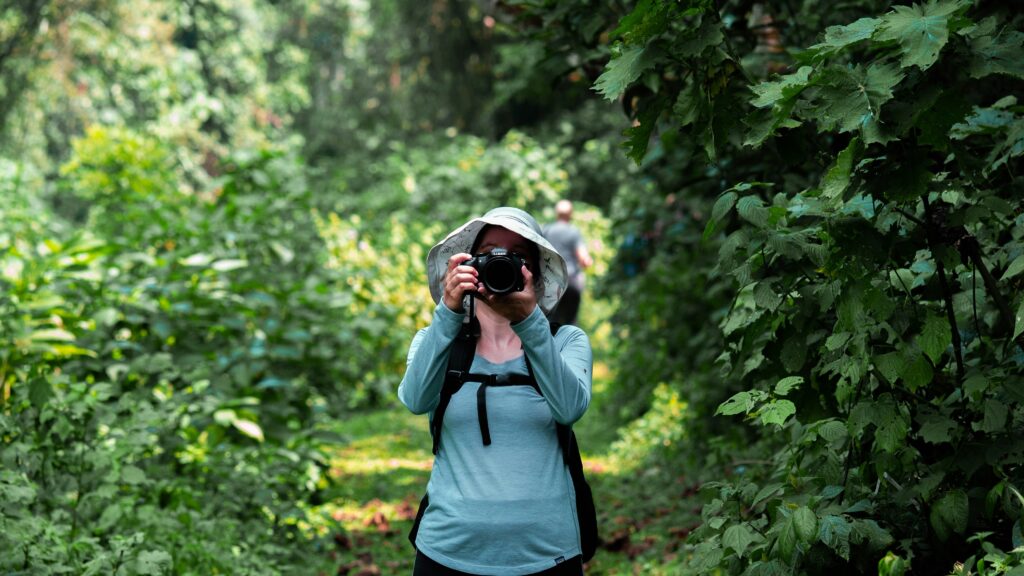
Capturing the Great Blue Turaco
For birders with a passion for photography, the Great Blue Turaco represents an irresistible challenge. This magnificent bird, with its vibrant turquoise and yellow plumage, striking red-tipped beak, and regal crest, is one of Africa’s most iconic avian residents. Found abundantly in Uganda’s lush forests, it serves as a star attraction. However, capturing its beauty in its natural, often dimly lit habitat requires more than just skill; it requires the right equipment. Understanding photography for birders means knowing how to choose a lens that handles the specific demands of dense jungle environments and fast-moving subjects.
Unlike open savannah photography, where long prime lenses often dominate, forest bird photography demands a different approach. The Great Blue Turaco frequently feeds high in the canopy, often obscured by thick foliage. Its rapid movements and the challenging light conditions mean your lens choice is paramount. At Jackal Adventures, we equip our guides and recommend gear that helps you achieve those once-in-a-lifetime shots, turning fleeting glimpses into stunning photographic memories.
The Challenge of Forest Bird Photography
Forest environments present a unique set of obstacles for wildlife photographers. These include:
-
Low Light: The dense canopy filters out significant sunlight, making high ISO settings and wide apertures essential.
-
Obstructions: Branches, leaves, and vines constantly obscure your subject, requiring precise focusing.
-
Movement: Birds like the Great Blue Turaco hop rapidly from branch to branch, necessitating quick shutter speeds.
-
Distance: Even when visible, birds often stay at a considerable distance, demanding significant reach.
To overcome these hurdles, the right lens becomes your most crucial tool in photography for birders. It is not just about magnification; it is about light gathering, focusing speed, and image stabilization.
Understanding Lens Types for Birding
Before diving into specific recommendations, let’s review the types of lenses most relevant for bird photography.
-
Fixed Prime Lenses: These offer a single focal length (e.g., 400mm or 500mm). They provide superior image quality and wider maximum apertures, but lack the flexibility to zoom out.
-
Telephoto Zoom Lenses: Lenses like the 100-400mm or 200-600mm offer incredible versatility for framing different subjects as they move.
-
Super-telephoto Lenses: Generally considered lenses with focal lengths of 300mm or more, these are essential for serious birding.
Top Lens Recommendations for the Great Blue Turaco
Based on the behaviors of the Great Blue Turaco, the table below highlights the best lens options for a successful safari.
| Lens Type | Best Focal Length | Max Aperture | Key Advantage |
| Prime Telephoto | 400mm or 600mm | f/2.8 – f/4 | Elite low-light performance |
| Professional Zoom | 100-400mm | f/4.5 – f/5.6 | Compact and highly versatile |
| Budget Zoom | 150-600mm | f/5 – f/6.3 | Maximum reach for the price |
| Fast Prime | 300mm | f/2.8 | Perfect for dark understories |
The Ideal Lens: Balancing Reach and Light
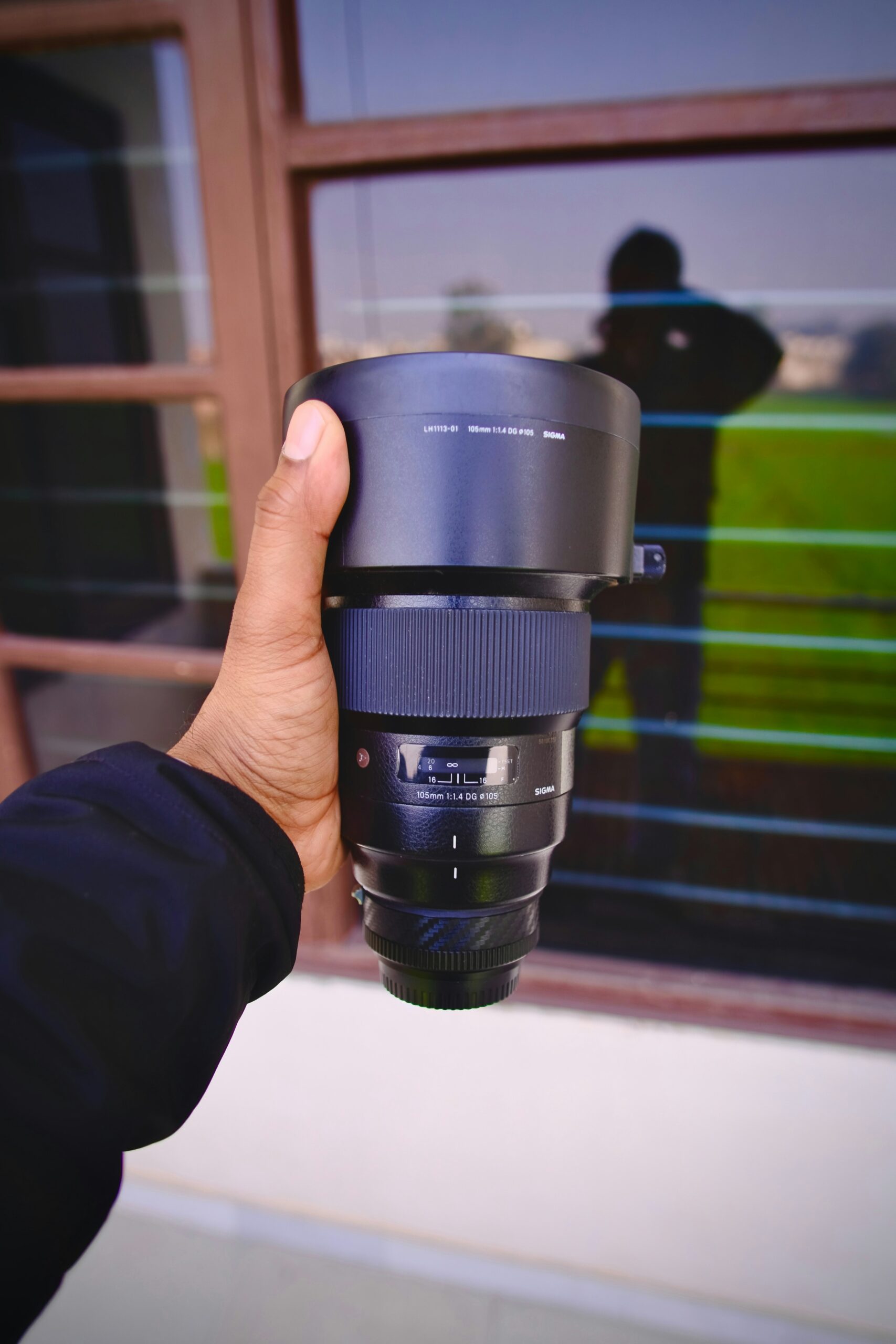
For dedicated photography for birders in dense habitats, a fast prime lens like a 400mm f/4 is often the gold standard. Its wide aperture allows maximum light into the sensor, enabling faster shutter speeds even in the deep shade of Kibale or Bwindi. The razor-sharp image quality and lightning-fast autofocus make it ideal for freezing the Turaco’s movement.
However, for travelers who need more versatility, a high-quality telephoto zoom lens like a 100-400mm is an excellent choice. This lens provides the flexibility to frame the bird effectively as it moves through the canopy. Many photographers pair this with an APS-C (cropped sensor) camera body to gain an additional “reach multiplier,” effectively turning a 400mm into a 600mm equivalent. This setup keeps you mobile while ensuring you don’t miss the shot.
photography for birders
Essential Features to Prioritize
Regardless of your brand preference, prioritize these features for effective photography for birders:
-
Fast Autofocus Motors: Essential for tracking birds through gaps in the leaves.
-
Optical Image Stabilization: Crucial for sharp handheld shots at long focal lengths.
-
Weather Sealing: Protects your gear from the humidity and mist of the Ugandan rainforests.
-
Minimum Focus Distance: Look for a lens that can focus relatively close for those times when a Turaco lands nearby.
Tips for Stunning Turaco Shots
Beyond your lens choice, employ these techniques to maximize your results. First, don’t fear high ISO settings; modern cameras handle noise well, and a grainy, sharp photo is better than a clean, blurry one. Second, use spot metering to ensure the camera exposes for the bird’s vibrant colors rather than the bright sky behind the canopy. Finally, always focus on the eye. If the eye is sharp, the whole image feels alive.
Our guides at Jackal Adventures understand the rhythm of the forest. They position the vehicle or lead you on foot to catch the best light. They know where the Turacos feed and can predict their flight paths between trees. This combination of local knowledge and the right glass ensures your portfolio stands out.
Conclusion
At Jackal Adventures, we understand that great bird photography comes from passion, knowledge, and the right gear. Choosing the best lens for the Great Blue Turaco is about matching your equipment to the unique challenges of the African jungle. Our expert guides do not just find the birds; they assist you in achieving those perfect shots. We provide advice on optimal shooting angles and light conditions. Trust Jackal Adventures to elevate your wildlife photography and capture the true essence of Africa’s avian jewels. Book your specialized birding safari today and let your lens tell the story.