

Exploring Central African Lowland Forest Species in Uganda
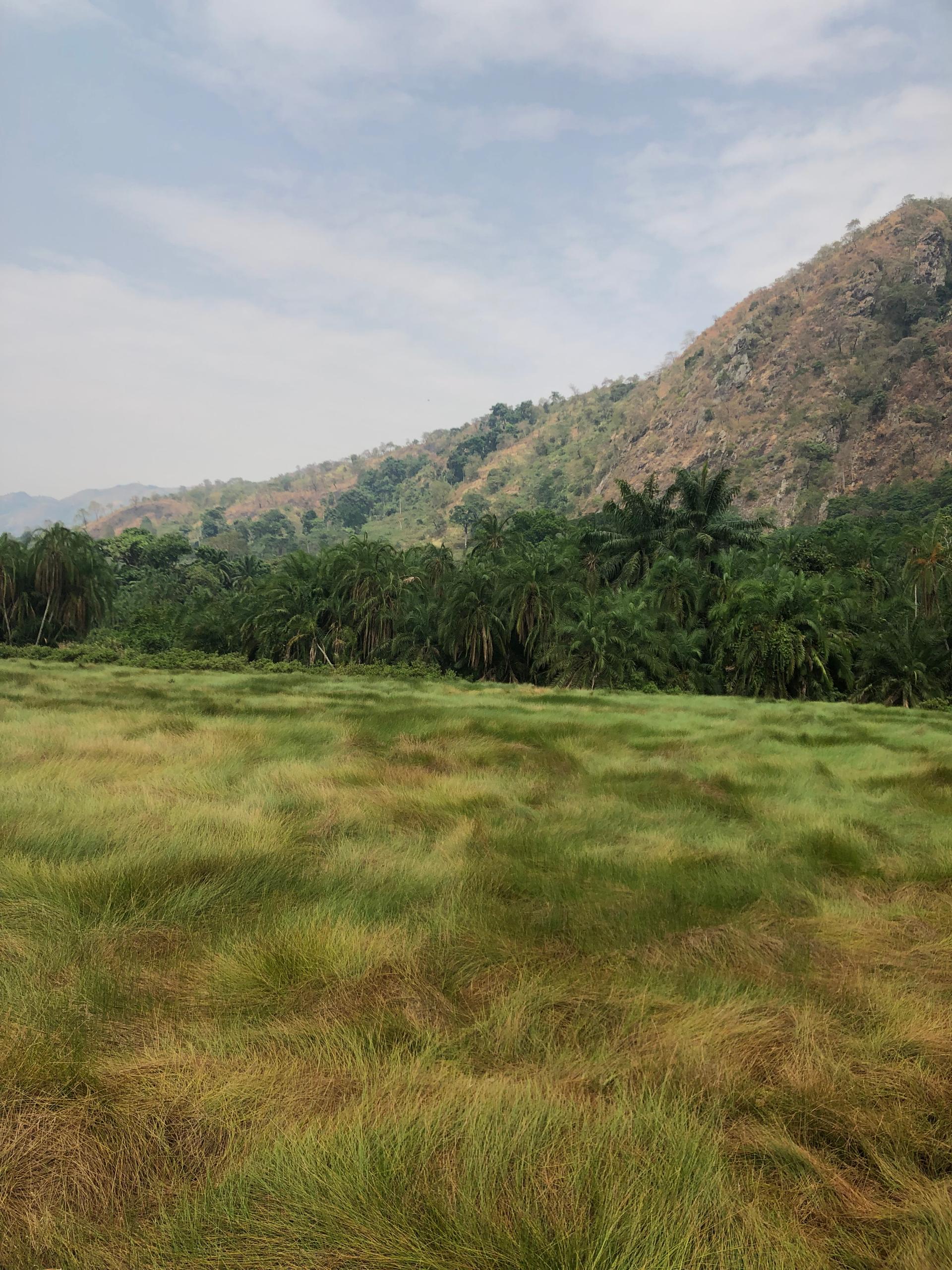
Deep in the remote western reaches of Uganda lies a hidden biological treasure. Tucked away on the floor of the Albertine Rift Valley, Semuliki National Park represents one of Africa’s most unique ecological intersections. While most of Uganda’s forests are classified as East African, Semuliki is a literal extension of the vast Ituri Forest of the Democratic Republic of Congo. Consequently, this makes Semuliki the only place in East Africa where you can experience a true Central African lowland tropical rainforest without crossing a border.
For birders and nature enthusiasts, this park is the ultimate secret. It serves as a portal to a world of specialized species that exist nowhere else in the country. With Jackal Adventures, you can venture into this dense, humid wilderness to find the Congo Basin specials that define this prehistoric landscape. Therefore, a trip to Semuliki is not merely a safari; rather, it is a journey into an ancient world where the biodiversity of two regions meets and merges.
Semuliki National Park’s Secret
Why Semuliki is Unique
Semuliki is not just another forest; it is a vital refugium. During the dry periods of the Pleistocene era, when much of the continent’s forests retreated, this area remained a lush sanctuary. As a result, it harbors ancient lineages of plants and animals that have survived for millennia. Because the forest remained stable while others disappeared, the genetic diversity here is staggering.
The park sits at a low altitude of approximately 670m to 760m above sea level. This low lying, flat terrain creates a hot, humid environment that perfectly mimics the heart of the Congo. Because of this specific climate, Semuliki hosts over 441 recorded bird species. Furthermore, it contains several mammals that are typical of Central Africa but rare elsewhere in East Africa. When you walk beneath the massive ironwood trees with a Jackal Adventures guide, you are essentially walking through a slice of the Congo Basin within Ugandan borders.
Congo Basin Specials
For serious birders, Semuliki is a high stakes destination. The forest is home to 40 species that are found nowhere else in Uganda. Tracking these birds requires extreme patience, sharp ears, and the specialized knowledge of a professional guide.
The Hornbill Capital: Semuliki is famous for its incredible diversity of hornbills. During a single morning, you can spot the White crested Hornbill, Red billed Dwarf Hornbill, Black Dwarf Hornbill, and the massive Black casqued Wattled Hornbill. Their heavy wingbeats and prehistoric calls dominate the canopy, creating a soundscape that feels unique to this lowland environment.
The Nkulengu Rail: This elusive forest rail is one of the most sought after sightings in the park. It is best located at dawn by its loud, synchronized duet that echoes through the swampy sections of the forest. Because it is so secretive, hearing it is often easier than seeing it. However, your Jackal Adventures guide will use their expertise to track its movements through the dense undergrowth.
Lyre-tailed Honeyguide: This bird is known for its spectacular aerial displays. Your guide will listen for the unique drumming sound made by its tail feathers during flight. Furthermore, the presence of various honeyguide species in Semuliki indicates a healthy, complex ecosystem where interspecific relationships thrive.
Great Blue Turaco: While found elsewhere in Uganda, the sheer density and visibility of these vibrant, oversized birds in Semuliki are unparalleled. Their presence adds a splash of bright color to the dark, emerald canopy.
Mammals of the Shadows
The Central African influence extends to the mammals as well. The forest floor and canopy hide species that are rarely seen in the more open savannah parks of Uganda.
- Lowland Primate Diversity: Beyond the usual chimpanzees, Semuliki is home to the Central African Red Colobus. You can also find the De Brazza’s Monkey, which is a striking primate with a distinct white beard and a chestnut colored brow.
- Forest Elephants: These elephants are smaller and more aggressive than their savannah cousins. They move silently through the thick undergrowth, leaving behind tunnels in the vegetation. Jackal Adventures guides often use these paths to navigate, though they always maintain a safe and respectful distance from these powerful animals.
- Anomalures: These nocturnal creatures, also known as scaly tailed flying squirrels, are a specialty of the Semuliki night walks. Observing them glide between ancient trees is a highlight of any overnight stay in the park.
Semuliki vs Other Ugandan Forests
| Feature | Semuliki National Park | Kibale / Bwindi Forests |
| Forest Type | Lowland Tropical (Central African) | Montane / Medium Altitude |
| Altitude | 670m – 760m | 1,100m – 2,600m |
| Key Avian Biome | Guinea-Congo Biome | Afro-tropical Highlands |
| Specialty Birds | Hornbills & Congo Specials | Green Broadbill & Endemics |
| Vibe | Hot, humid, and swampy | Cool, misty, and mountainous |
The Sempaya Hot Springs
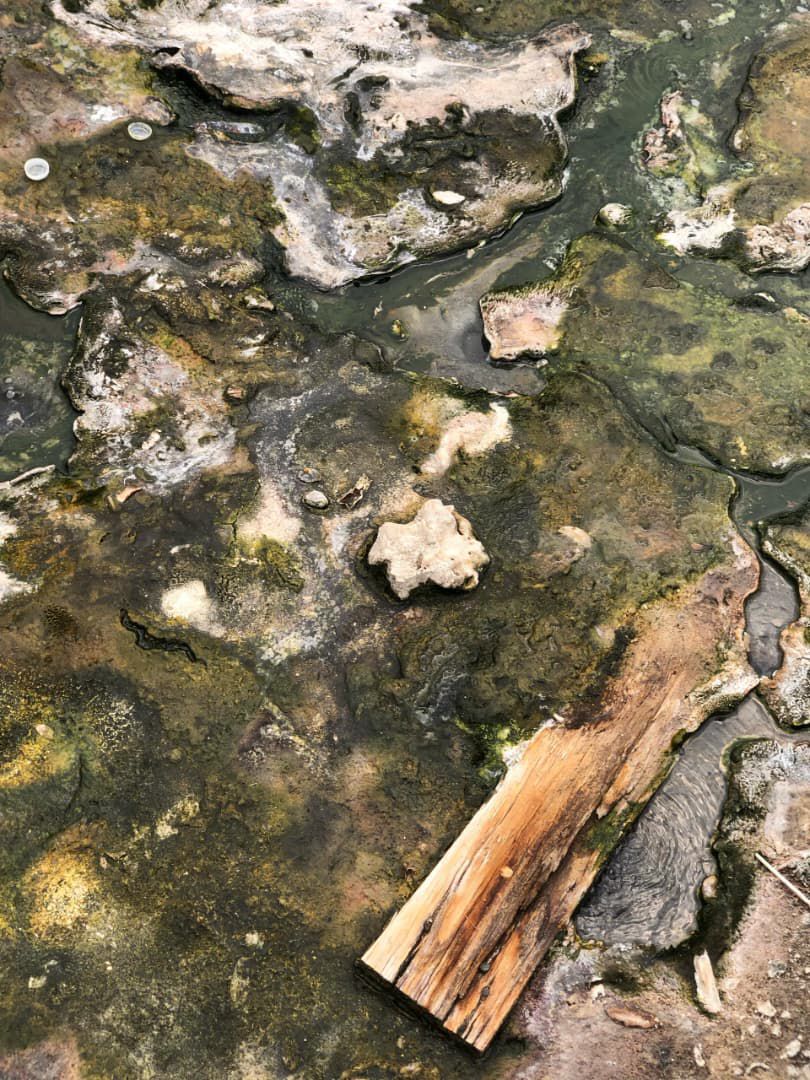
No exploration of Semuliki is complete without visiting the Sempaya Hot Springs. These are not just tourist attractions; instead, they are a window into the tectonic forces shaping the Albertine Rift Valley.
The Female Spring (Nyasimbi): This is a boiling geyser that shoots water up to two meters high. Local traditions hold these springs in high regard, and they remain a site of spiritual significance for the neighboring communities.
The Male Spring (Bintente): This is a broad, steaming pool surrounded by lush swamp forest. The mineral rich soil here attracts various species that come to lick the salt or hunt insects drawn to the warmth. Jackal Adventures times these visits carefully to ensure you avoid the midday heat. Moreover, this timing maximizes your chances of seeing primates along the forest trail leading to the springs.
Semuliki National Park’s Secret
Why Jackal Adventures is Your Best Link to Semuliki
Semuliki is a challenging environment for any traveler. The trails can be muddy, the humidity is intense, and the birds are masters of hide and seek. Therefore, Jackal Adventures provides the expertise needed to turn a difficult trek into a successful expedition.
Our guides are trained to identify birds by call alone. This is essential in a dense lowland forest where visibility is often limited to a few meters. Moreover, we handle the complex logistics of the Golden Triangle the route connecting Semuliki, Kibale, and the Rwenzori Mountains. This ensures you spend more time in the forest and less time on the road. We prioritize your comfort and safety while ensuring you get as close to nature as possible.
Conclusion
Semuliki remains one of the least visited parks in Uganda. This is exactly why it remains so pristine and full of surprises. It is a place for the true explorer who wants to step off the beaten path and into the heart of Africa’s biological engine. Whether you are chasing a rare dwarf hornbill or simply soaking in the steam of the Sempaya springs, Semuliki offers a secret that few travelers ever get to hear. Ultimately, this park reminds us that the Pearl of Africa still holds many mysteries for those willing to look.
