


7 Reasons Why Uganda is the Pearl of Africa
February 12, 2026The Ultimate Rwenzori Hiking Guide
February 12, 2026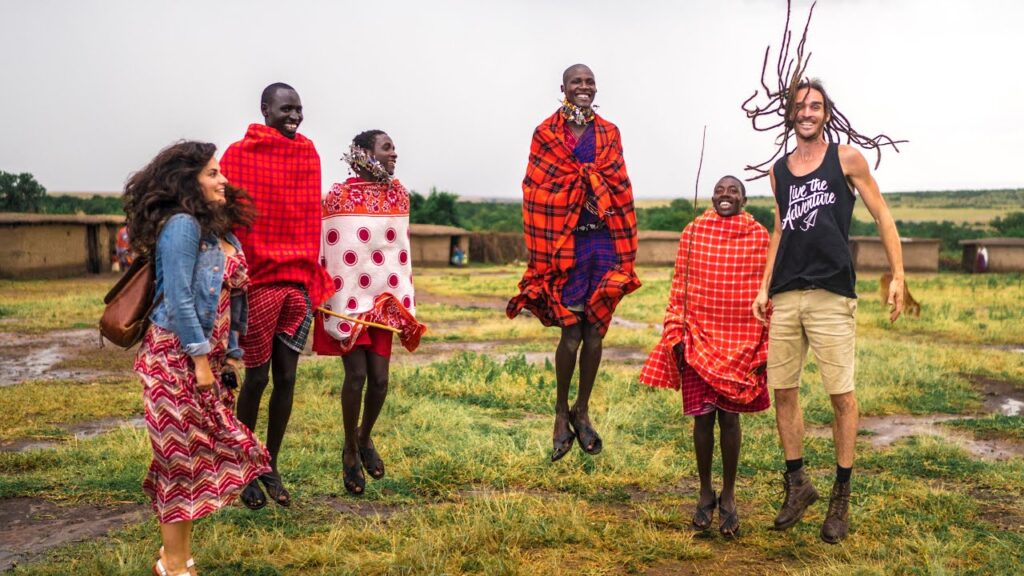
A Journey into Kenya’s Living Heritage
A Masai cultural experience is one of the most enriching and unforgettable parts of visiting Kenya. Beyond the breathtaking safaris and iconic wildlife, Kenya offers travelers the opportunity to connect with one of Africa’s most famous and resilient communities, the Masai people. Known for their vibrant red attire, intricate beadwork, traditional dances, and deep-rooted customs, the Masai have preserved their culture for centuries while adapting to the modern world. If you are planning a safari in Kenya, adding a Masai cultural visit to your itinerary transforms your journey from a wildlife adventure into a meaningful cultural exchange.
Masai Cultural Experience
Who Are the Masai?
The Masai are a semi nomadic ethnic group living primarily in southern Kenya and northern Tanzania, particularly around the Masai Mara and Amboseli regions. Historically pastoralists, their lives have revolved around cattle, which symbolize wealth, status, and sustenance. Despite modernization, the Masai have maintained much of their traditional lifestyle. Visiting a Masai village, often called a Manyatta, provides a rare glimpse into their daily life, social structures, and spiritual beliefs.
What to Expect During a Masai Cultural Visit
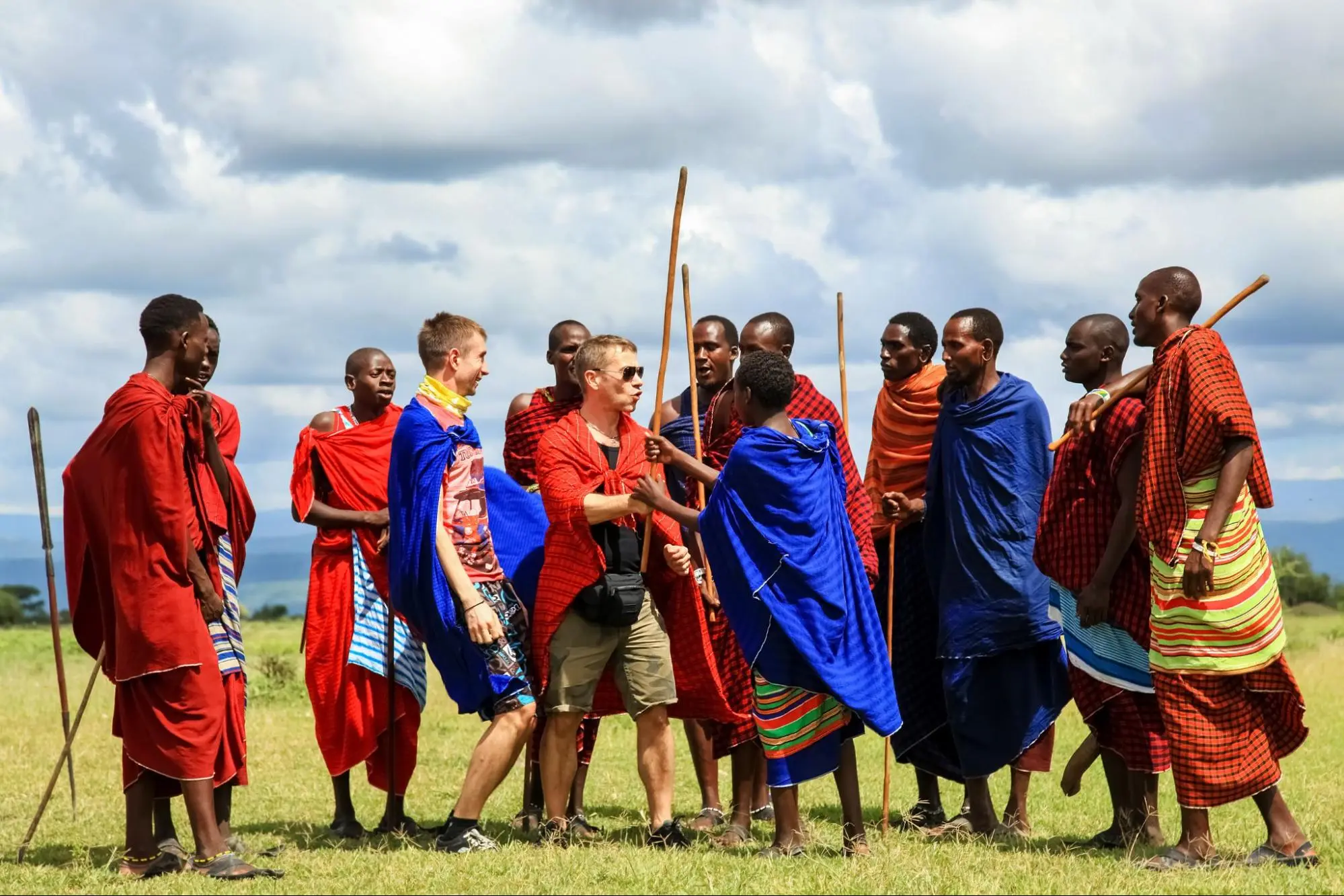
A Masai cultural experience begins with a warm and energetic welcome. Visitors are greeted with traditional songs and the famous Adumu the Masai jumping dance. Warriors (Morans) leap high into the air in a display of strength and endurance, accompanied by rhythmic chanting.
Village Tour
After the welcome ceremony, you’ll be guided through the Manyatta. The homes, built by Masai women, are made from natural materials such as mud, sticks, grass, and cow dung. Though simple in structure, these homes are designed for practicality and protection from wildlife. Inside, you’ll learn how families live, cook, and sleep within compact spaces that reflect a strong sense of community and tradition.
Cultural Insights
The Masai share stories about:
- Their rites of passage
- Marriage customs
- Traditional medicine
- Livestock practices
- The role of elders and warriors
You may also have the opportunity to ask questions, making the experience interactive and educational.
The Beauty of Masai Beadwork
One of the most striking elements of Masai culture is their beadwork. Women create intricate necklaces, bracelets, and earrings by hand. Many villages offer handmade crafts for sale, providing travelers with authentic souvenirs while directly supporting the local community. Every color in Masai jewelry holds symbolic meaning:
- Red represents bravery and unity
- Blue symbolizes energy and the sky
- Green stands for land and health
- White signifies purity and milk
Why a Masai Cultural Experience Matters
Travel today is about more than sightseeing it’s about connection and understanding. A Masai village visit helps:
- Support community-based tourism
- Preserve cultural heritage
- Provide income for local families
- Promote respectful cross-cultural exchange
When organized responsibly, these visits empower communities and allow traditions to continue thriving in a rapidly changing world. At Jackal Adventures we ensure that cultural visits are ethical, respectful, and beneficial to the Masai communities involved. By working directly with local villages, they help create authentic experiences that honor tradition while supporting sustainable tourism.
Combining Culture with Safari
The Masai Mara is not only famous for the Great Migration but also for its close ties to Masai heritage. Many conservancies surrounding the reserve are community owned, meaning tourism directly benefits the local people. A well planned itinerary might include: Morning game drives in the Masai Mara, Afternoon visits to a Masai village, Evenings around a safari campfire learning about Masai folklore. This combination creates a richer, more holistic travel experience.
Responsible Cultural Tourism Tips
To ensure your visit is respectful and meaningful:
- Always ask before taking photographs.
- Dress modestly and respectfully.
- Listen actively and engage thoughtfully.
- Purchase crafts directly from artisans when possible.
- Choose tour operators committed to ethical practices.
Best Time for a Masai Cultural Experience
You can visit Masai communities year round. However, many travelers combine cultural visits with safari during the dry seasons (June–October and January–February), when wildlife viewing is at its best. The cultural experience remains equally enriching regardless of the season, offering insight into traditions that transcend weather patterns.
Final Thoughts
A Masai cultural experience is more than a tour it is an opportunity to step into a living heritage that has endured for generations. From the rhythmic jumping dance to the colorful beadwork and powerful storytelling, every moment offers insight into resilience, identity, and community. As you explore Kenya’s wild landscapes, take time to connect with the people who have called this land home for centuries. With thoughtful planning and responsible operators like Jackal Adventures, your visit can contribute positively to both your understanding and the community you encounter. In the end, it’s not just about seeing Kenya it’s about truly experiencing it.


2 Comments
[…] a true cultural visit goes beyond the dance. When you enter a Maasai boma (homestead), you witness how they construct […]
[…] or drive to the Maasai Mara, Kenya’s most famous safari destination. Rolling plains, abundant wildlife, and breathtaking […]