


The Best Child-Friendly Safari Activities in Uganda for the 2026 Summer Holidays
February 6, 2026
Zanzibar vs. Diani Beach: Your Ideal Post-Safari Island Escape
February 10, 2026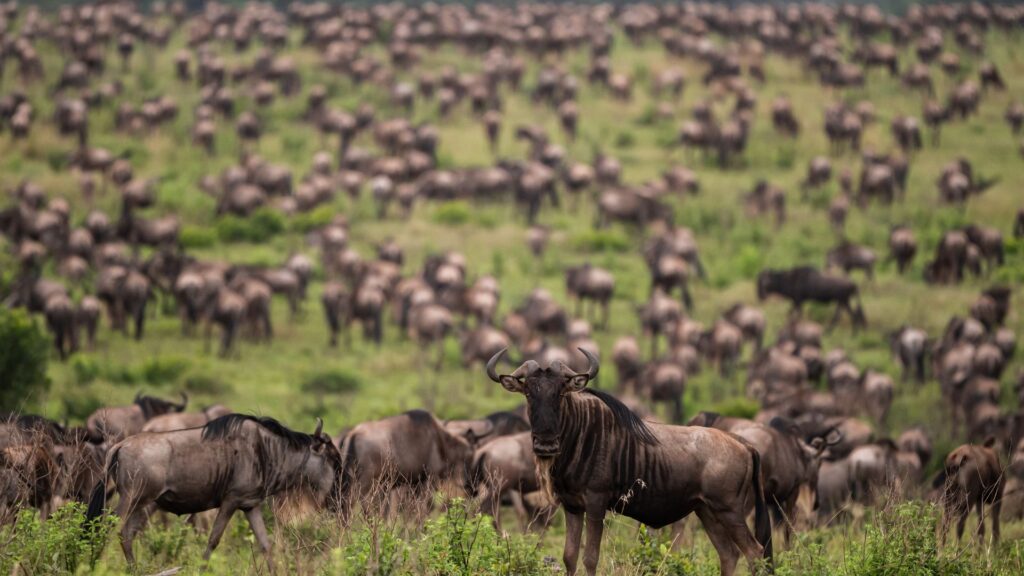
Great Migration Mara River Crossing 2026
The Great Migration is one of Earth’s most spectacular events, an awe-inspiring journey across the Serengeti and Masai Mara. While wildlife viewing is incredible year-round, the dramatic Great Migration Mara River Crossing 2026 is the ultimate prize for travelers. Predicting the exact timing of this perilous event is an art influenced by rainfall and instinct, making a well-planned calendar essential for your 2026 safari.
Understanding the Migration Cycle
To predict the Mara River crossing, we must first understand the year-long cyclical movement of the herds. The migration is a continuous search for fresh grazing and water, driven by the seasonal rains.
-
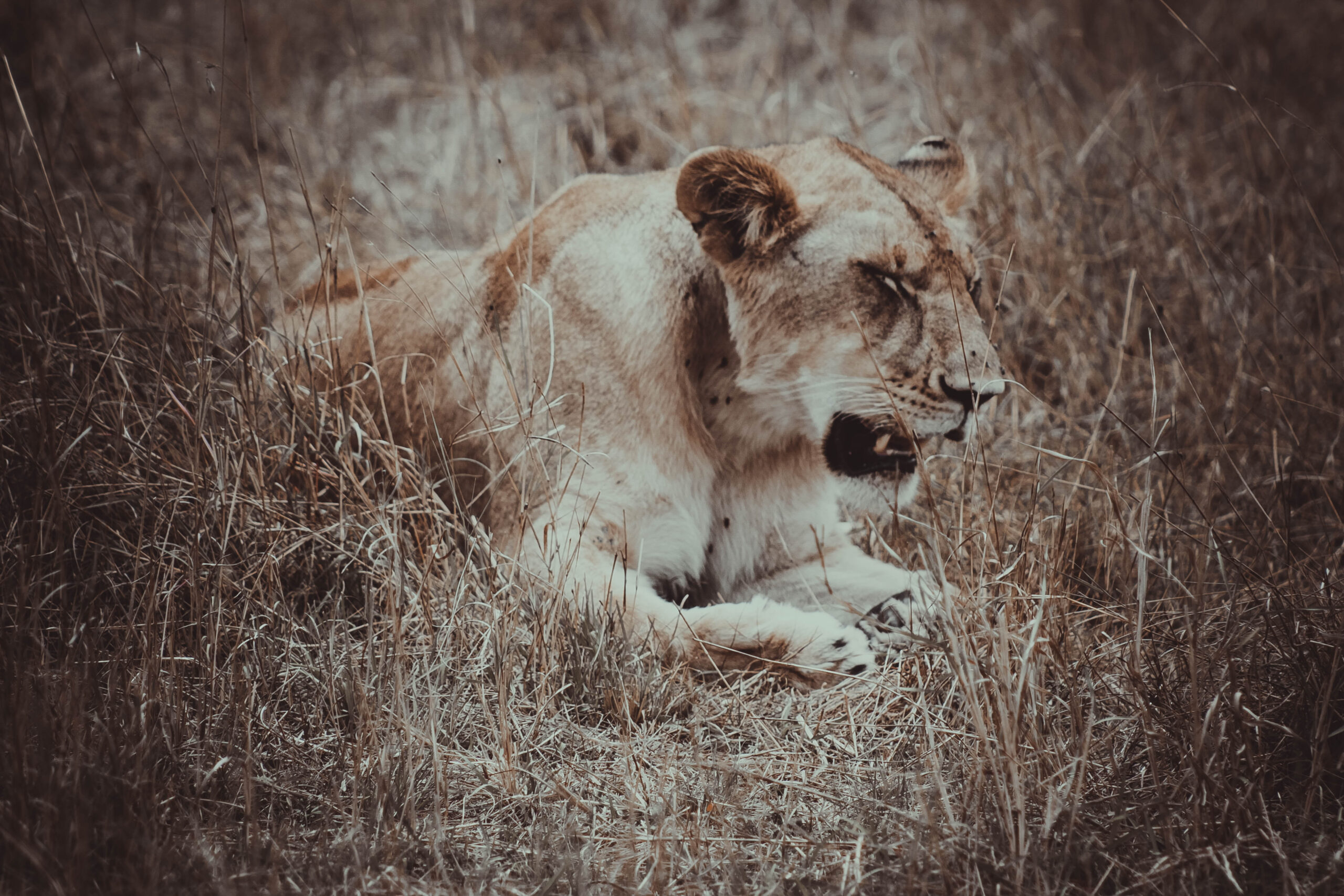
January – March (Southern Serengeti, Ndutu Plains): The year begins in the southern Serengeti, particularly around the Ndutu Plains. This is calving season, a time of immense vulnerability and new life. Thousands of wildebeest calves are born, attracting predators like lions, cheetahs, and hyenas. The herds graze on the lush, short-grass plains.
April – May (Central and Western Serengeti): As the southern plains dry out, the herds begin their slow trek northwards, moving into the central and western corridors of the Serengeti. The “long rains” typically fall during this period, rejuvenating the grasses. This is a transitional phase, with large columns of animals on the move.
-
June – July (Western Serengeti, Grumeti River): The migration gathers momentum in the western Serengeti. Here, the first major river crossing occurs at the Grumeti River. While not as famous as the Mara, it’s still a significant spectacle. The herds push further north, nearing the Kenyan border.
-
August – October (Northern Serengeti, Masai Mara, Mara River Crossing): This is the peak season for the great migration 2026. The wildebeest funnel into the northern Serengeti and eventually cross into Kenya’s Masai Mara Triangle. Their desperation for greener pastures on the other side of the crocodile-infested river leads to frenzied crossings, a true test of survival.
-
November – December (Masai Mara, Return to Southern Serengeti): With the short rains beginning in the south, the herds start their journey back towards the southern Serengeti. They will often cross the Mara River again, this time heading south, before dispersing across the plains to begin the cycle anew.
Predicting the 2026 Mara River Crossing
While precise dates are impossible, we can offer strong probabilities based on historical data and anticipated weather patterns. The crucial factor is the timing and intensity of the long rains (March-May) and the short rains (November-December). A drier year might see earlier crossings, while abundant rainfall could delay them.
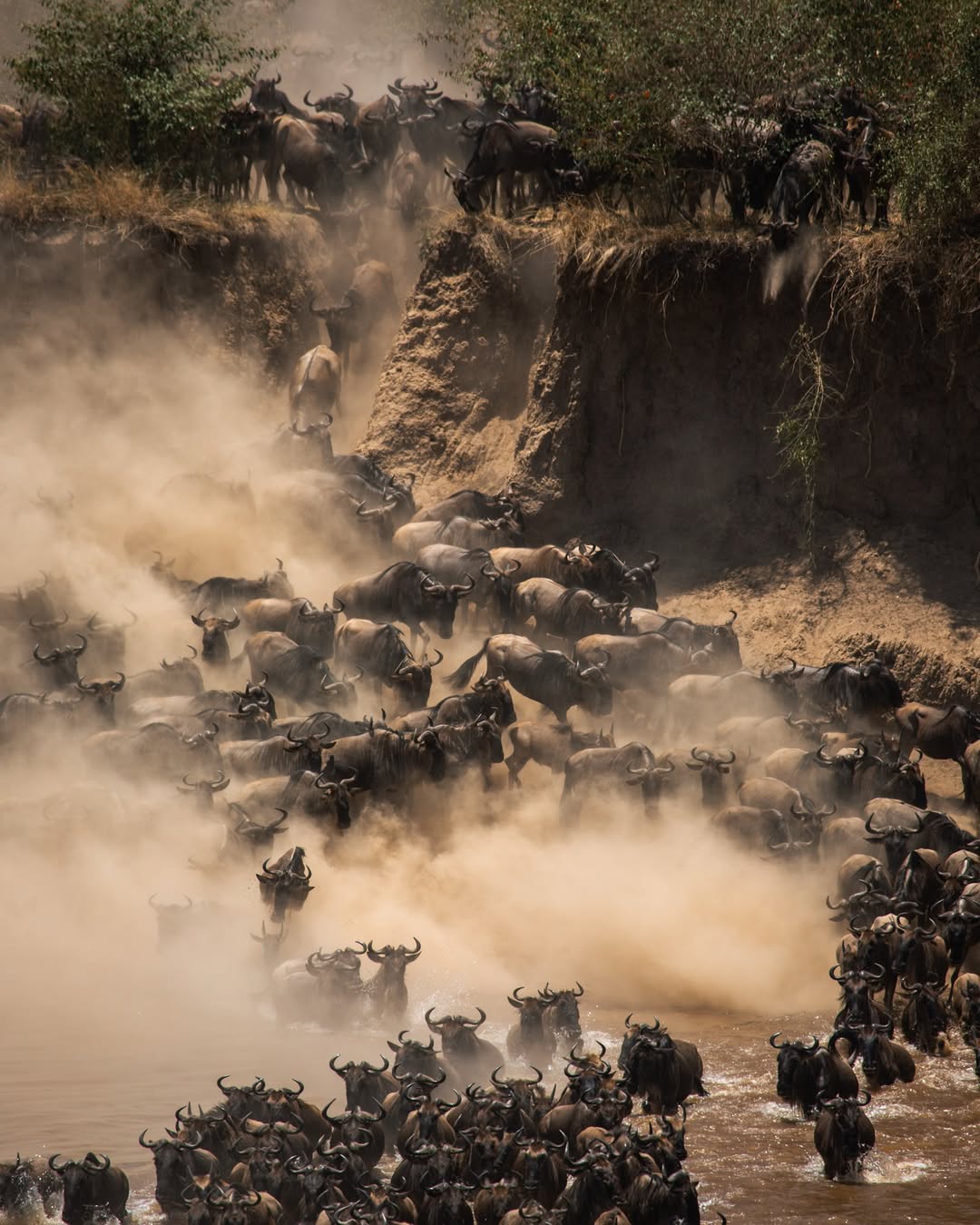
Great Migration Mara River Crossing
Expected Mara River Crossing Window for 2026:
Historically, the bulk of the Mara River crossings occurs between late July and early October. For 2026, we anticipate this window to hold, with peak activity likely in August and September.
-
Late July: Early arrivals in the northern Serengeti, with some initial, smaller crossings as scouting parties test the waters.
-
August: High probability of major crossings in the northern Serengeti and the Masai Mara. This is often considered the prime time.
-
September: Continued crossings in both the northern Serengeti and Masai Mara, with herds often moving back and forth across the river, following the most enticing grazing.
-
Early October: As the short rains begin to lure them south, there will still be crossings, but activity will generally start to diminish as the herds disperse.
Key Factors Influencing the 2026 Crossing:
-
Rainfall in Southern Serengeti (Jan-Mar): Good rains here mean the herds stay longer, potentially delaying their northward journey.
-
Rainfall in Western Serengeti (Apr-Jun): Adequate rain in the west will sustain the herds there, affecting their urgency to reach the Mara.
-
Rainfall in Northern Serengeti/Masai Mara (Jul-Oct): The critical factor. If the grass on the Kenyan side is greener and the river levels are manageable, the crossings will occur.
-
Predator Presence: The abundance of crocodiles in the river and lions/hyenas on the banks can influence crossing points and timing.
-
Herd Dynamics: The sheer pressure of the hundreds of thousands of animals behind them often pushes the lead herds forward, regardless of the risks.
Best Viewing Locations for the 2026 Mara River Crossing:
-
Northern Serengeti (Tanzania): Areas like Kogatende and Lamai Triangle offer excellent opportunities. Stay at camps strategically located near known crossing points.
-
Masai Mara (Kenya): The Mara Triangle is renowned for its river crossings. Camps here are often positioned to maximize viewing chances.
Safari Planning Tips for 2026:
-
Book Early: Camps in the northern Serengeti and Masai Mara during August and September book out extremely fast, often a year or more in advance.
-
Flexibility is Key: While we provide predictions, nature is unpredictable. Allow for a few extra days in your itinerary if possible, increasing your chances of witnessing a crossing.
-
Consider a Combined Safari: To maximize your chances, consider a safari that covers both the northern Serengeti and the Masai Mara, especially if your budget allows.
-
Patience and Persistence: Waiting for a crossing can take hours, even days. It’s a game of patience, but the reward is unparalleled.
Here is a table summarizing the predicted movements for 2026:
| Month | Region | Key Activity |
| January-March | Southern Serengeti, Ndutu Plains | Calving season, short-grass grazing, and high predator activity. |
| April-May | Central & Western Serengeti | Herds move north, long rains, transitional phase. |
| June-July | Western Serengeti, Grumeti River | Grumeti River crossings, herds gather momentum towards the north. |
| August-September | Northern Serengeti, Masai Mara | Peak Mara River crossings, intense predator action, dramatic scenes. |
| October | Northern Serengeti, Masai Mara | Continued Mara crossings, herds start to disperse south as short rains approach. |
| November-December | Southern Serengeti, Ndutu Plains | Herds return to the south, short rains, renewed grazing. |
| The Spectacle Awaits |
Witnessing the Great Migration Mara River crossing is an experience that stays with you for a lifetime. The raw drama, the struggle for survival, and the sheer scale of the herds are profoundly moving. By carefully planning your 2026 safari with these predictions in mind, you significantly increase your chances of being present for one of nature’s greatest spectacles. Prepare for an adventure filled with anticipation, wonder, and unforgettable wildlife encounters.
Conclusion
Witnessing the Great Migration Mara River Crossing 2026 is a once-in-a-lifetime experience that rewards the patient and the bold. Nature may be unpredictable, but with the expertise of Jackal Adventures, you’ll be perfectly positioned to see the drama unfold. The stage is set for an epic season. We’ll see you on the riverbanks.




1 Comment
[…] Great Wildebeest Migration is one of the most spectacular wildlife events on Earth. Each year, over 1.5 million wildebeest, […]