The Most Romantic Bush Beds Under the Stars
February 6, 2026
Luxury Without the Crowds: Finding Solitude in the Ngorongoro Crater
February 6, 2026
The Ultimate Guide for Your Uganda Safari
Embarking on a Uganda Safari promises unforgettable wildlife encounters and breathtaking landscapes. However, understanding the unspoken rules of gratitude tipping enhances your journey. In Uganda Safari tipping extends beyond a simple financial transaction. It is a profound gesture of appreciation, directly supporting the livelihoods of guides, rangers, and lodge staff. These dedicated individuals work tirelessly, ensuring your safety, comfort, and an immersive experience in the “Pearl of Africa.”
First, recognize that tipping is entirely voluntary. Yet, it forms a deeply ingrained cultural expectation for good service across the tourism sector. Furthermore, your contribution significantly impacts local communities, often funding education, healthcare, and daily essentials for families. Consequently, a well-planned approach to gratuities ensures your generosity makes a meaningful difference. This ultimate guide provides all the insights you need for responsible and respectful tipping on your Uganda Safari.
The Philosophy of Safari Tipping
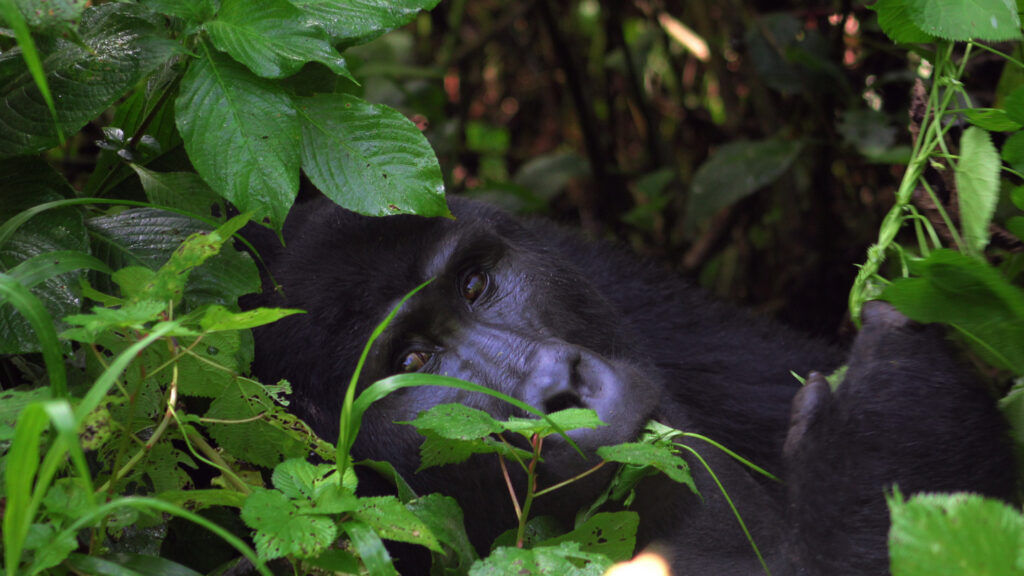
Consider your tips an investment in conservation and community. The individuals you encounter, your driver guide, the park ranger leading your gorilla trek, and the lodge staff preparing your meals, are the frontline stewards of Uganda’s natural heritage. They rely on tourism, and a significant portion of their income often comes from gratuities.
Responsible tipping means recognizing effort, skill, and dedication. Even on days when wildlife sightings are challenging, a diligent guide who tries every possible avenue deserves appreciation. Your tip acknowledges their expertise and commitment, fostering a positive cycle that encourages continued excellence in hospitality and wildlife protection.

Who to Tip and When: A Structured Approach
Discretion and timing are paramount. Avoid public displays of money. Instead, use small, labeled envelopes for individual recipients. For communal tips, look for designated boxes at reception. This approach maintains dignity and ensures fairness among all staff.
For individual guides, present your tip at the end of their service, your driver guide on your departure day, or a specialist guide after a specific activity like a birding walk. For lodge staff, the communal tip box is usually most appropriate on your final morning.
Recommended Tipping Standards for Your Uganda Safari
| Recipient | Suggested Amount (USD) | Frequency | Delivery Method | Notes |
| Driver-Guide | $15 – $25 per person | Per day | Individual envelope on the final day | Your primary contact. Consider service quality, knowledge, driving, and attentiveness. |
| Gorilla/Chimpanzee Ranger | $10 – $20 per group | Per trek | Hand to lead the ranger after the trek | For their expertise in tracking and ensuring your safety. |
| Trekking Porters | $10 – $15 per porter | Per trek | Directly to the porter after the trek | Essential for carrying bags and assisting on challenging terrain. |
| Lodge/Camp Staff | $5 – $10 per person | Per day | Communal tip box at reception | Covers all general staff (waiters, housekeepers, kitchen, security). |
| Specialist Activity Guide | $5 – $10 per person | Per activity | Individual envelope after activity | For boat cruise guides, birding guides, and community walk leaders. |
| Airport Transfer Driver | $5 – $10 per vehicle | Per trip | Directly after drop-off | For punctual and safe transfers. |