

Is the Green Season Worth the Risk?
At Jackal Adventures, we often encounter travelers who are hesitant to book during the wetter months. There is a common misconception that the rainy season means a total washout where animals hide, and vehicles sink into the mud. The truth, however, is far more nuanced and, quite frankly, more beautiful. Is the rainy season worth it in Serengeti?
In East Africa, we refer to the rainy period as the Green Season. It is a time of renewal, abundance, and dramatic transformation. While the dry season (June to October) offers the easiest wildlife viewing, the Green Season offers the most soul-stirring experiences. If you are a traveler who values solitude, vibrant landscapes, and the Circle of Life in its most raw form, the Serengeti in the rain isn’t just worth it; it might actually be the superior choice.
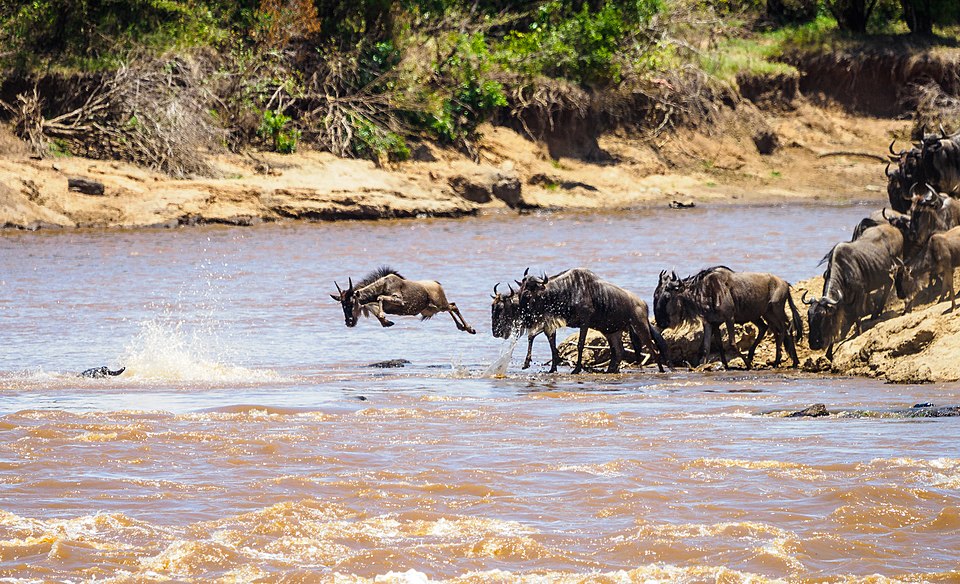
Is the rainy season worth it in Serengeti?
Decoding the Rhythms of the Rain
| Season | Months | Landscape & Wildlife | Jackal Comfort Rating |
| The Short Rains | Nov – Dec | Dust settles; afternoon showers; clear skies. | ⭐⭐⭐⭐⭐ (Perfect balance) |
| The Calving Peaks | Jan – Feb | Emerald plains; 8,000 births/day; high predator action. | ⭐⭐⭐⭐⭐ (Best for action) |
| The Long Rains | March – May | Heavy downpours; tall grass; ultimate solitude. | ⭐⭐⭐ (For the adventurous) |
| The Shoulder Transition | Late May – June | Dramatic clouds; tapering rain; migration moves North. | ⭐⭐⭐⭐ (Great value) |
The Emerald Advantage
The Photographic Pop
During the dry season, the Serengeti is a palette of browns, tans, and greys. While iconic, the constant dust in the air can create a haze that softens your long-distance shots.
When the rains arrive, the dust is washed away. The air becomes incredibly crisp, and the colors explode. The contrast of a gold-maned lion standing against a backdrop of deep emerald grass and a bruised, purple storm sky is the Holy Grail for wildlife photographers. Furthermore, the light in the rainy season is softer and more diffused, allowing you to photograph animals throughout the day without the harsh, flat light of the midday dry-season sun.
The Great Migration’s Most Dramatic Act
Many people think the Migration is only about the Mara River crossings in July. However, the Calving Season (January–February) is arguably more spectacular. The rains draw the herds to the short-grass plains of the Southern Serengeti and Ndutu.
This is the only time the herds are stationary. You will see hundreds of thousands of wildebeest and zebras concentrated in one area. Because there are so many vulnerable newborns, the predators, lions, cheetahs, and leopards are in a state of constant activity. If you want to witness a hunt, the rainy season provides the highest probability.
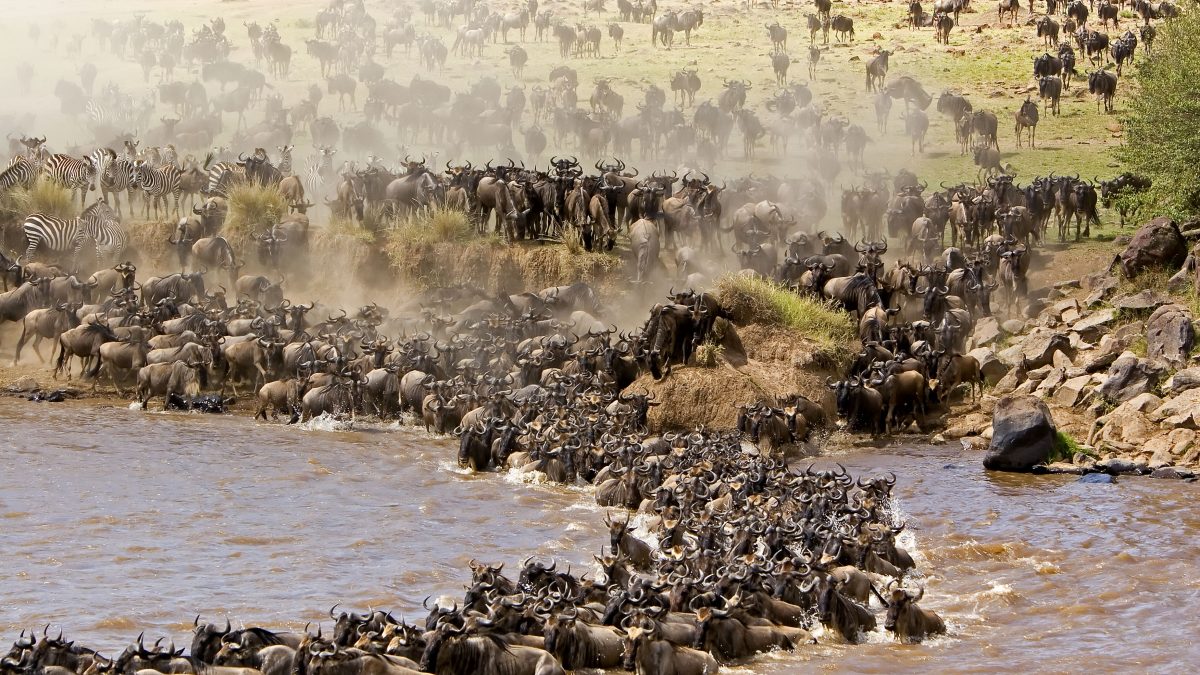
Is the rainy season worth it in Serengeti?
The Luxury of Solitude
In the peak dry season, leopard jams are common dozens of vehicles surrounding a single tree. This can break the magic of the wilderness. In the Green Season, the crowds vanish. You can sit with a cheetah family for two hours and never see another vehicle. At Jackal Adventures, we believe true luxury is the feeling that you own the horizon. The rainy season gives you that private Serengeti feel at a fraction of the cost.
Navigating the Challenges
We won’t sugarcoat it: the rainy season brings mud, notoriously slick and specifically black cotton soil. This is why your choice of safari operator is critical.
- Specialized Vehicles: Our 4×4 Land Cruisers are fitted with mud-terrain tires and recovery gear. We don’t use standard tour vans that get stuck at the first sign of a puddle.
- The Fly-In Strategy: During the heaviest rains (March–May), we highly recommend flying between camps. This avoids the long, muddy transit roads and drops you directly into the heart of the action.
- Guide Expertise: A Jackal Adventures guide knows the dry lines through the park. They understand the topography and can read the clouds to ensure you aren’t caught in a flash downpour far from camp.
Health and Comfort in the Wet
The presence of water does mean an increase in insect activity. However, this is easily managed. Malaria Precaution: Mosquitoes are more active, so we ensure all our partner lodges utilize high-grade netting and provide localized repellent. Temperature Control: The rain brings a welcome drop in temperature. While the dry season can be sweltering, the rainy season is often mild and pleasant, making it much more comfortable for those who struggle with extreme heat.
The Economic Reality
If you’ve always dreamed of staying at a world-class luxury camp like Four Seasons Safari Lodge or Singita, the rainy season is your window of opportunity.
Many lodges offer Green Season Rates, which can be lower than peak season. Additionally, the single supplement fee is often waived, making this the best time for solo travelers to visit. You get the same gourmet food, the same expert guides, and the same luxury linens for a significantly lower investment.
The Verdict: Is it Worth it?
Yes, if you value:
- Vivid landscapes and world-class photography.
- Birdwatching (migratory species are in full, colorful plumage).
- Privacy and the feeling of a private park.
- Value for money in high-end accommodation.
No, if you value:
- Guaranteed sunshine every single hour.
- Ease of spotting (the tall grass in the wet season makes small cats harder to find).
- Predictability (rain can occasionally alter the day’s schedule).
At Jackal Adventures, we love the Serengeti in the rain because it feels like the land is breathing again. It is a time of plenty, of life, and of incredible drama. If you bring a sense of adventure and a light rain jacket, the Green Season will reward you with memories that the dry season tourists will never get to see.
