Uganda Safari 2026: Bwindi and Murchison’s Most Incredible Wildlife Moments
February 6, 2026
The Top 10 Most Exclusive Safari Villas in East Africa for Families
February 6, 2026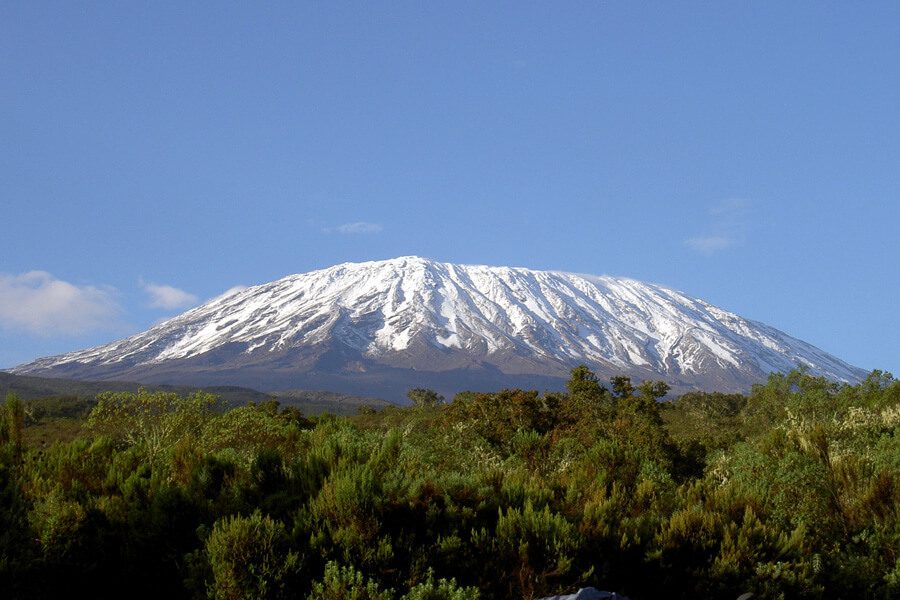
Mountain Climbing Safari
Mountain climbing safari is more than a physical challenge; it is a total sensory and psychological shift. Whether you are eyeing the volcanic slopes of Mount Kenya or the technical, mist-shrouded glaciers of the Rwenzori Mountains, your success is determined long before you reach the trailhead. Preparation is the bridge between a miserable ordeal and a life-changing triumph. So here is how to prepare for the “Mountains of the Moon” and beyond, ensuring you are physically, mentally, and logistically ready.
1. Physical Conditioning
Building Your Engine Mountain climbing requires a specific kind of fitness called “mountain legs.” You don’t need to be a sprinter; you need to be a tractor, slow, steady, and capable of hauling weight uphill for hours. The Aerobic Base (Zone 2 Training): 70% of your training should be low-intensity, long-duration cardio. Think long walks, slow jogs, or cycling. This teaches your body to burn fat efficiently and improves your heart’s stroke volume, which is vital when oxygen levels drop.
The Weighted Step-Ups: This is the “secret sauce” for climbers. Put on a backpack with 5–10kg and step up and down on a bench. This mimics the exact muscle recruitment needed for steep mountain trails. The Descent Factor: Most injuries happen on the way down. Incorporate eccentric exercises like lunges and “negatives” on a leg press to strengthen the connective tissues around your knees.
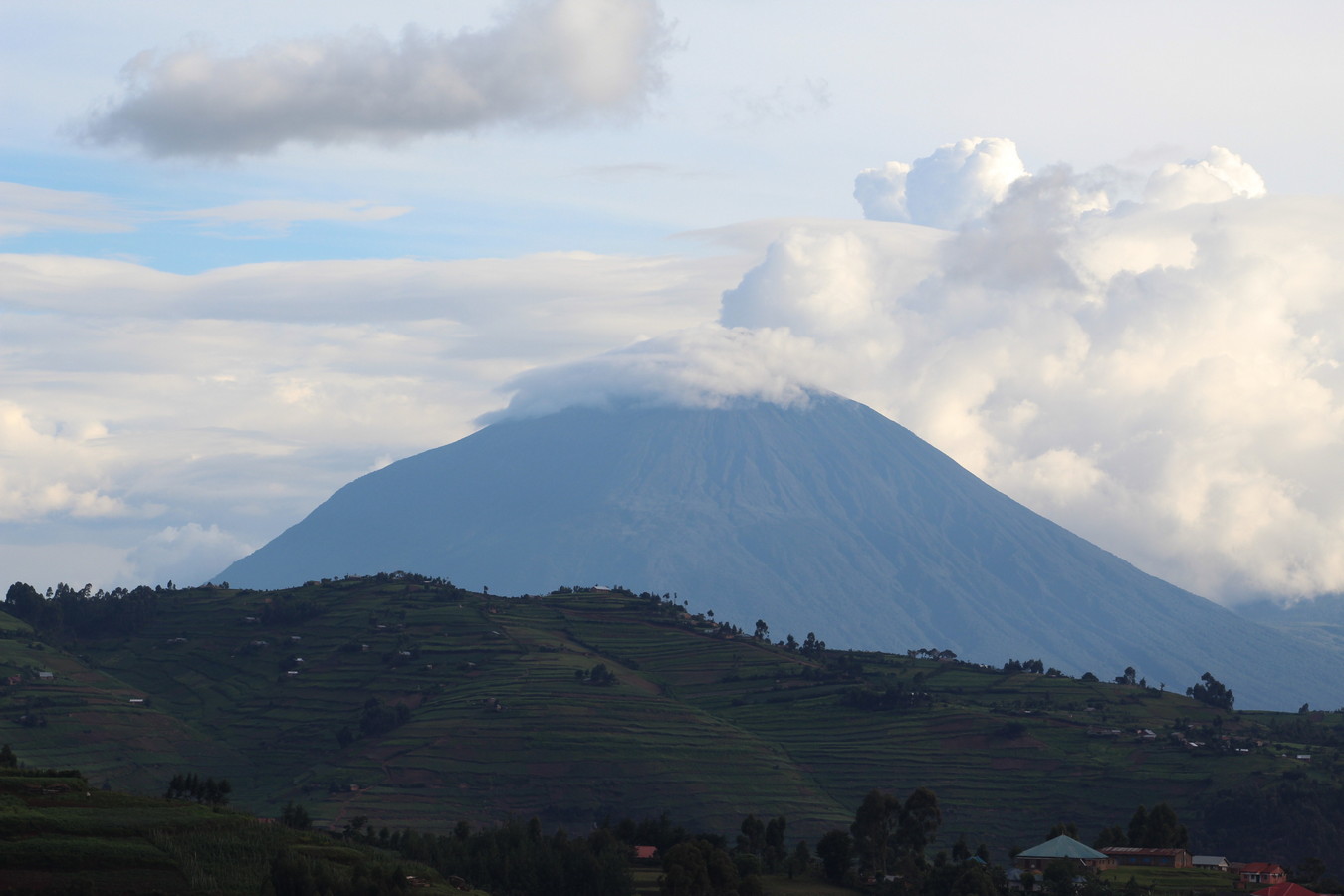
Margherita Peak
2. Gear Mastery: The Layering System
In high-altitude environments, your clothing is your life support system. The weather can swing from scorching equatorial sun to sub-zero blizzards in a single afternoon. You must master the Three-Layer System:
1) Base Layer (Wicking): Synthetic or Merino wool. Never use cotton, as it traps moisture and will freeze against your skin.
2). Mid-Layer (Insulation): A down jacket or heavy fleece to trap body heat.
3). Outer Shell (Protection): A breathable, waterproof jacket (like GORE-TEX) to block wind and rain.
4) The Rwenzori Special: If you are climbing with Jackal Adventures in the Rwenzoris, your gear list has a unique addition: Gumboots.
Navigating the “Bigo Bog” in leather hiking boots is a recipe for wet feet. High-quality rubber wellies with thick wool socks are the local secret to comfort.
3. Mental Resilience: The “Mind over Mud” Philosophy
Mountains are designed to test your resolve. You will get tired, you will get wet, and at 4,500m, your head might throb from the altitude. Expect the Grind: Accept early on that discomfort is part of the price of admission for the view from the top. The Power of “Pole Pole”: This Swahili phrase for “slowly, slowly” is the golden rule of high-altitude climbing. Moving slowly allows your body to produce more red blood cells to carry oxygen. Rushing is the fastest way to trigger Altitude Sickness (AMS).
Summary Checklist for Success
| Category | Task |
| Fitness | 12 weeks of weighted hiking and core work. |
| Testing | “Break in” your boots and gumboots to avoid blisters. |
| Health | Visit a travel clinic for altitude medication. |
| Booking | Secure your permits and expert guides via Jackal Adventures. |
Essential Accessories
| Item | Purpose |
| Polarized Sunglasses | To prevent “snow blindness” caused by UV reflection off the glacier. |
| Headlamp | Essential for the midnight “summit start” and moving around camp. |
| -15°C Sleeping Bag | Even at the equator, night temperatures in the huts drop well below freezing. |
| Waterproof Dry Bags | To keep your spare clothes and electronics dry inside your backpack. |
Why Expert Logistics Are Your Secret Weapon
You can be the fittest person on the trail, but without the right support, the mountain will win. This is where Jackal Adventures becomes your greatest asset in preparation.
Final Gear Tip:
Never start a 7-day trek with brand-new boots. Buy your footwear at least two months in advance and wear them on training hikes. Your feet need to “toughen up” to the specific pressure points of the boot to prevent blisters that could end your climb on Day 2. Consider wearing your boots with the exact sock combination you plan to use on the mountain to ensure a perfect fit under pressure.
Walk on varied terrain, including steep inclines and rocky paths, to help the leather and soles adapt to your natural gait. For the Rwenzoris, don’t forget to break in your gumboots as well; wearing them for short walks helps prevent the “rubber bite” around the calves. By the time you join Jackal Adventures at the trailhead, your footwear should feel like a second skin, giving you the confidence to focus on the summit rather than your feet.