

The Ultimate 2026 Guide to Spending 4 Hours with Giants
The misty ridges of Bwindi Impenetrable National Park hold a secret that few travelers ever uncover. While thousands visit each year for a standard trek, a select few choose the more immersive gorilla habituation in Uganda. This is not merely a wildlife viewing activity; it is a profound scientific journey. Unlike the traditional one-hour encounter, this experience invites you into the inner circle of a mountain gorilla family for four remarkable hours.
By participating in gorilla habituation in Uganda, you join an elite group of conservationists, researchers, and trackers. Together, you help wild gorillas become accustomed to human presence, a vital process that ensures their long-term protection and sustainable tourism. In 2026, this remains the most exclusive primate encounter on the planet, limited to just four participants per session.
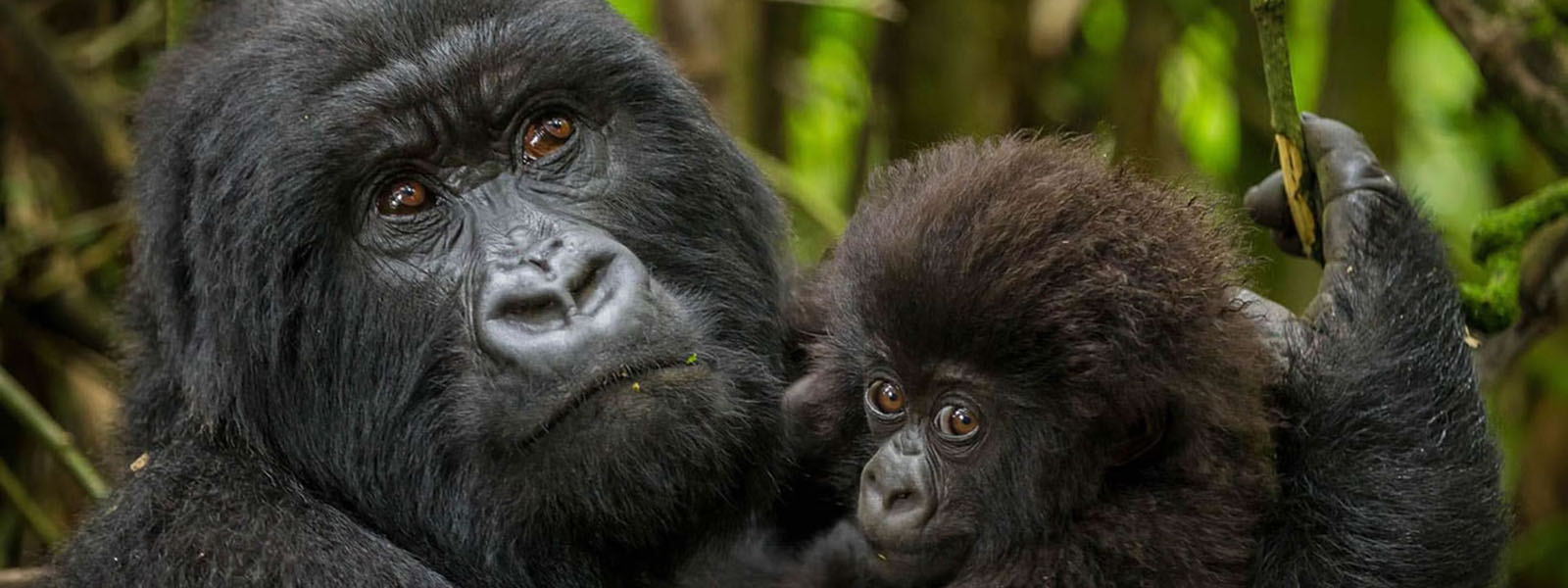
Gorilla habituation in Uganda
The Evolution of the Habituation Experience
In 2026, the gorilla habituation in Uganda continues to set the gold standard for responsible wildlife tourism. While standard trekking focuses on observation, habituation focuses on participation. You are not just watching the gorillas; you are part of their social education.
Specifically, the process takes between two and five years to complete for a single family. During your visit, you help the silverback and his troop understand that humans are non-threatening observers. This transition from “wild” to “habituated” allows researchers to monitor the health of the group and protect them from external threats like poaching. Furthermore, your permit fees contribute directly to the Uganda Wildlife Authority (UWA) and the local communities surrounding the park.
10 Things to Expect During Your 2026 Journey
Preparation is the key to a successful forest mission. To illustrate, here are the ten essential things every traveler should expect during their first habituation session in the Rushaga or Nkuringo sectors.
-
A Pre-Dawn Briefing: Your journey starts at 6:30 AM. As a result, you must be at the park headquarters early to meet your team of researchers and receive a detailed briefing on the family’s history and current status.
-
The “Researcher” Mindset: You are not a spectator; you are an assistant. Consequently, you may be asked to help identify individual gorillas by their unique nose prints or observe specific feeding habits.
-
Intimate Group Dynamics: UWA limits each habituation group to just four visitors. This small size fosters a quiet, respectful atmosphere that is ideal for both the gorillas and the researchers.
-
Extended Observation Time: Once you locate the family, your four-hour window begins. This generous timeframe allows you to see the gorillas transition from their morning foraging to their midday nap and social play.
-
Challenging, Off-Trail Hiking: Since these families are not yet fully habituated, they often move into steeper, more rugged terrain. You should expect to scramble through thick vines and across forest streams.
-
A Lesson in Non-Verbal Communication: Researchers will teach you how to “speak” gorilla. Specifically, you will learn submissive postures and soft vocalizations to reassure the silverback of your peaceful intentions.
-
The “Semi-Wild” Edge: Unlike fully habituated groups, these gorillas may be more alert or skittish. You might witness a mock charge or a sudden relocation, which makes the experience feel incredibly raw and authentic.
-
Rainforest Realities: Bwindi is a tropical environment. Therefore, expect high humidity and sudden downpours, even during the “dry” seasons of June and December.
-
High-Value Conservation Permits: As of 2026, habituation permits cost $1,500 for foreign non-residents. While this is higher than a standard trek, it includes the $40 park entrance fee and supports intensive, 24-hour monitoring of the families.
-
Deep Emotional Connection: Spending half a day with these “Gentle Giants” often results in a profound shift in perspective. Ultimately, you leave the forest with a deeper understanding of our shared evolutionary roots.
Comparison: Habituation vs. Standard Trekking
Many travelers ask which experience is right for them. In particular, the table below breaks down the logistical differences to help you decide.
| Feature | Standard Gorilla Trekking | Gorilla Habituation Experience |
| Time with Gorillas | 1 Hour | 4 Hours |
| Max Group Size | 8 Visitors | 4 Visitors |
| Location | All 4 Bwindi Sectors | Rushaga & Nkuringo Only |
| Difficulty Level | Moderate | Moderate to High |
| Permit Cost (FNR) | $800 | $1,500 |
| Activity Focus | Photography & Viewing | Research & Trust Building |
The Ultimate Habituation Packing List
A gorilla habituation in Uganda lasts much longer than a standard trek, requiring specialized gear for the long day ahead. Consequently, ensure your bag includes the following:
-
Sturdy Hiking Boots: Choose waterproof boots with high ankle support. Note that the terrain can be slippery and uneven.
-
Tough Gardening Gloves: These are essential for grabbing onto branches and protecting your hands from stinging nettles.
-
Long-Sleeved Trousers & Shirts: Wear neutral colors (khaki or green). In particular, tuck your trousers into your socks to prevent safari ants from crawling up your legs.
-
A High-Quality Rain Poncho: Even if the morning is sunny, the clouds in Bwindi can gather quickly. Therefore, a lightweight, breathable poncho is a lifesaver.
-
Energy-Rich Snacks: Since you will spend the entire day in the bush, pack nuts, dried fruit, and a protein-rich lunch.
-
2-3 Liters of Water: Staying hydrated is critical at the high altitudes of the Bwindi ridges.
-
Analog Backup: While you will take photos, bring a small notebook. Writing down your observations during the four hours is a powerful way to process the experience.
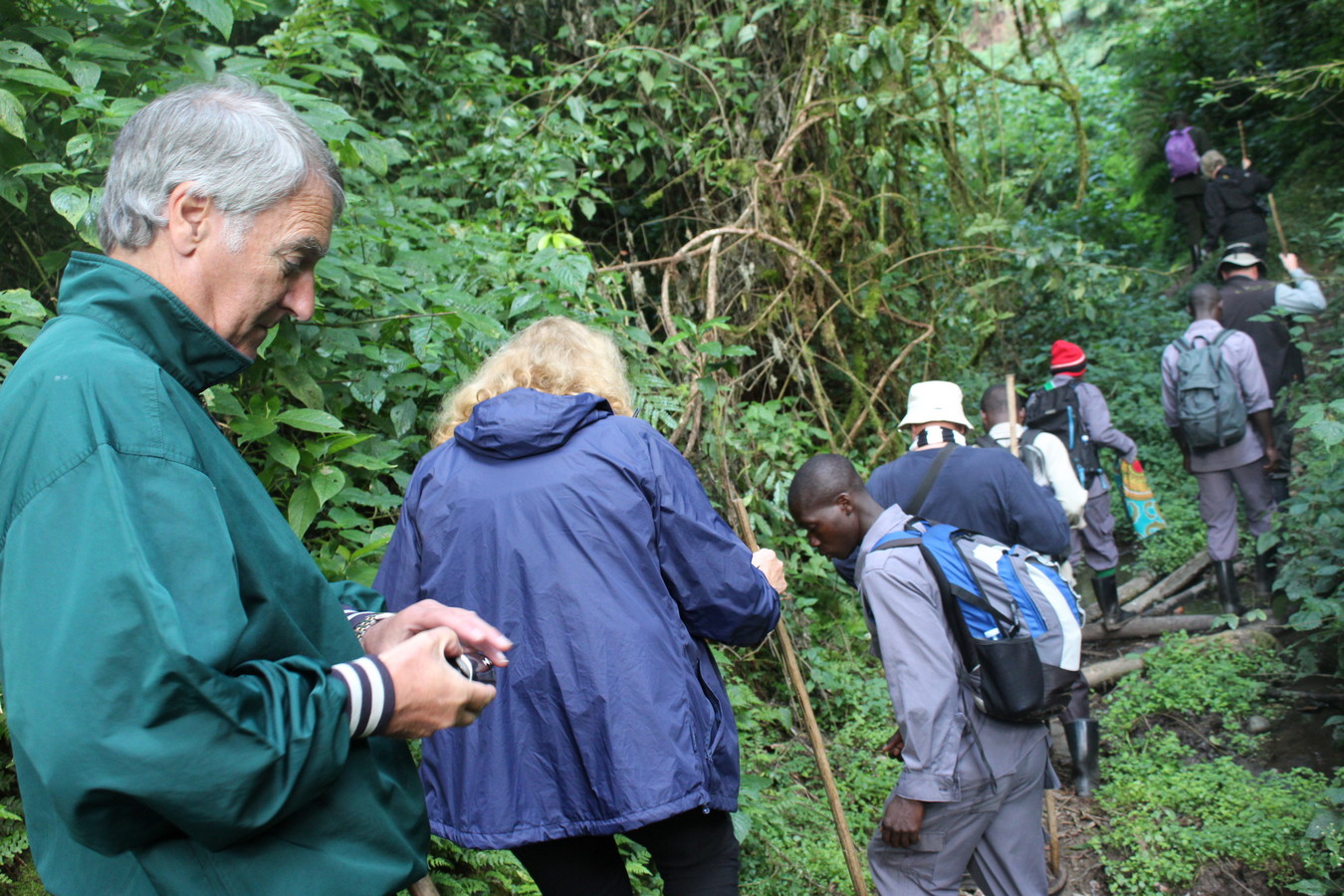
gorilla habituation in Uganda
Final Thoughts from Jackal Adventures
At Jackal Adventures, we believe that the gorilla habituation in Uganda represents the pinnacle of African wildlife encounters. It is more than a holiday; it is a contribution to a global conservation success story. In our view, the extra investment in time and permit costs pays dividends in the form of memories that a one-hour trek simply cannot provide.
The Bwindi forest is a place of ancient wisdom and silent power. In short, we don’t just want you to see the gorillas; we want you to understand them. Our team manages every detail of your expedition, from securing the scarce permits to pairing you with the most knowledgeable local porters. Let us lead you into the heart of the “Impenetrable Forest” for a journey that will stay with you forever.
