

A Definitive Guide to Global Travel Impacts
The Middle East Conflict Impact is the most significant factor defining global transit as of March 4, 2026. Following the onset of major military operations between the United States, Israel, and Iran on February 28, the region has transformed from a global transit hub into a complex landscape of restricted airspaces and urgent travel advisories. Consequently, the ripple effects are impacting travelers across six continents. This guide provides an accurate breakdown of how the 2026 hostilities influence global movement, from the closure of Gulf hubs to the shifting safety levels of neighboring destinations.
Current Conflict Summary (March 2026)
The security situation escalated sharply after coordinated strikes hit Iranian strategic sites on February 28. These operations resulted in the death of senior Iranian leaders, including Supreme Leader Ali Khamenei, which triggered a severe command-and-control crisis. In response, Iran launched Operation True Promise IV, utilizing a saturation strategy of ballistic missiles and one-way attack drones. These retaliatory strikes have targeted major cities and infrastructure across the Gulf, including the United Arab Emirates (UAE), Saudi Arabia, Qatar, and Bahrain.
-
UAE and Kuwait Impacts: The UAE has intercepted over 160 missiles and 600 drones. However, debris has caused material damage to luxury sites and airports in Dubai and Sharjah. In Kuwait, air defense activity led to the accidental downing of three American F-15s, while missile debris caused fires at the Mina al-Ahmadi refinery.
-
Energy Infrastructure: Military threats have directly impacted strategic energy sites. Specifically, QatarEnergy suspended chemical and LNG production at its Ras Laffan and Mesaieed facilities. Additionally, Saudi Arabia reported a fire at its Ras Tanura refinery following drone incursions.
-
Maritime and Airspace Security: Iran’s Revolutionary Guards now claim total control of the Strait of Hormuz. They have warned all shipping to stay away, which has forced major global shipping firms to suspend transit. Meanwhile, regional airspace remains largely closed or restricted to military and evacuation flights.
-
Regional Ground Movements: Beyond the Gulf, the conflict has widened. The Israeli military has initiated ground incursions into southern Lebanon to target Hezbollah. Furthermore, NATO air defense systems recently intercepted an Iranian ballistic missile over the eastern Mediterranean heading toward Turkish airspace.
The “DEPART NOW” Mandate
On March 2 and 3, the U.S. Department of State and other Western governments issued urgent Depart Now directives for citizens in more than a dozen countries. Assessing the Middle East Conflict Impact is vital for anyone currently in the following high-risk zones:
-
Iran, Iraq, and Syria: Total Do Not Travel status.
-
Israel, West Bank, and Gaza: Severe risk with significant internal disruptions.
-
UAE, Saudi Arabia, and Qatar: Elevated risk (Level 3 or higher) following direct missile interceptions and embassy security alerts.
1. Global Aviation Paralysis: The “Gulf Shutdown.”
The most immediate impact for the 2026 traveler is the disruption of the world’s most critical transit hubs. Dubai, Abu Dhabi, and Doha, the lifeblood of international air travel, have faced repeated closures.
Hub Status and Cancellations
-
Dubai International (DXB): The world’s busiest international airport has experienced intermittent shutdowns. As of early March, airlines have canceled over 21,000 flights across the Gulf. Authorities are prioritizing the evacuation of stranded travelers over new arrivals.
-
Zayed International (Abu Dhabi) & Hamad International (Doha): Both hubs have seen total flight suspensions following direct security threats and nearby missile activity.
-
Transit Delays: If you are flying between Europe and Asia, expect no-fly zones over Iran and Iraq to add 1.5 to 3 hours to your journey. Airlines are rerouting through Turkey or southward via Egypt and Saudi Arabia. As a result, passengers face record fuel surcharges and a cascade of global delays.
The 2026 Airline Pivot
Major carriers, including Emirates, Etihad, and Qatar Airways, are currently focusing on network recovery and repatriation rather than new bookings. If an airline cancels your flight, rebooking may take weeks because of a lack of spare aircraft and displaced flight crews.
2. Safety Realities in “Secondary” Destinations
While the core of the conflict centers on Iran and Israel, the precautionary principle is impacting tourism in neighboring safe havens. Travelers must weigh the Middle East Conflict Impact even when visiting countries outside the immediate combat zone.
Jordan and Egypt
-
Jordan: Jordanian authorities currently close their airspace daily from 6:00 PM to 9:00 AM. Land borders like the Allenby Bridge and the Sheikh Hussein crossing operate with limited, unpredictable hours.
-
Egypt: Egypt remains at a Level 2 (Exercise Increased Caution). Its airspace is currently open, and Cairo operates normally. Nevertheless, travelers should expect outbound flight delays depending on their destination’s airspace status.
3. Legal and Financial Rights for Stranded Travelers
Most airlines are classifying the 2026 conflict as an extraordinary circumstance, which complicates your right to compensation.
Insurance and Refunds
-
Voluntary Cancellations: If you decide not to travel but your flight is still scheduled, and your destination is not under a formal government travel ban, your travel insurance may not cover your refund.
-
FCDO/State Department Advice: If your government issues a Do Not Travel warning after you book, package holiday providers must legally offer an alternative or a full refund.
-
Stranded Costs: The UAE government has announced it will partially cover accommodation costs for tourists stranded due to hostilities. However, travelers should contact their hotels directly to confirm these arrangements.
4. Logistics of Evacuation and Land Borders
For those currently in the region, land borders have become vital lifelines.
-
Leaving the West Bank: Authorities advise travelers to exit via Jordan, though checkpoints are closing without notice.
-
The UAE-Oman Connection: The Hatta–Al Wajajah land crossing remains open. However, traffic is exceptionally slow as people look for alternative exit points away from major airports.
-
Health Requirements: Despite the conflict, standard health requirements, such as yellow fever certificates, remain mandatory at active border crossings.
5. Traveler Psychology: The 2026 “East African Safe Haven.”
Tourism is entirely an industry of perception, and in 2026, we are witnessing a massive global shift in traveler behavior known as the “Domino Effect.” As traditional corridors in the Middle East face volatility, travelers are rerouting their plans en masse. While Southeast Asia and Western Europe are seeing a surge, this has led to extreme saturation, overcrowding, and price hikes in those regions.
This is where East Africa has emerged as the definitive “Safe Haven” alternative for the discerning adventurer.
Emerging Winners: The Rise of the African Savannah
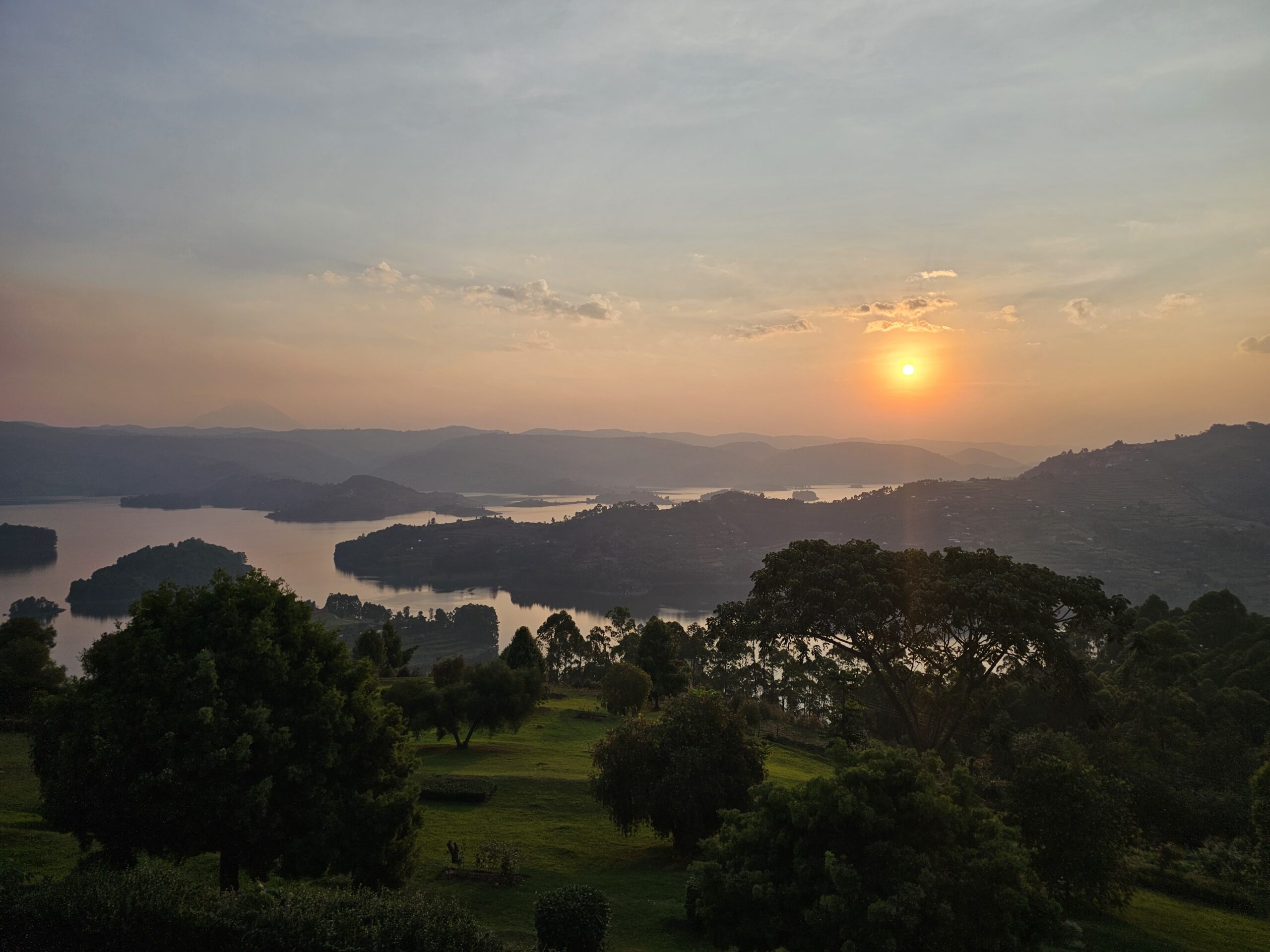
While countries such as Vietnam and Malaysia have been noted as resilient alternatives in the East, East Africa has emerged as the premier Emerging Winner for travelers seeking a true “Safe Haven.” Regions like Uganda, Rwanda, and Kenya are capturing the “Resilient Traveler,” those who want to bypass volatile zones and overcrowded Asian hubs for the tranquil, wide-open spaces that only a safari can provide.
Safety as the New Gold Standard
In 2026, “Safety Certainty” is the leading travel motivator. East Africa has positioned itself as a primary beneficiary of this trend. By maintaining high political stability and dedicated tourism security, countries like Rwanda and Uganda are now viewed as premium, secure alternatives to more traditional, now-crowded destinations. Travelers are no longer just looking for a holiday; they are paying for the peace of mind that comes with Jackal Wild Adventure.
The Price of Peace vs. The Value of the Wild
While airfares to popular European and Asian hubs have spiked due to rerouted flight paths, East Africa remains a high-value proposition. Even with the global “cost-per-seat” metrics rising, the ability to land in Kigali and trek in Uganda allows travelers to save significantly on gorilla permits. This strategic route makes the “Safe Haven” both a secure and a smart financial choice for those looking to maximize their experience without compromising on safety.
Beyond Crowd Avoidance: The “Secondary Circuit”
To counter the “anti-tourism” peaking in cities like Fukuoka or Paris, travelers are utilizing AI to find authentic, uncrowded experiences. East Africa’s “Secondary Circuits,” such as Kidepo Valley in Uganda or Akagera in Rwanda, are the new frontier for those fleeing the traditional, saturated tourist routes.
Essential Checklist for March 2026 Travelers
-
Register with STEP: All U.S. citizens must enroll in the Smart Traveler Enrollment Program to receive real-time security alerts.
-
Verify Airspace: Do not head to the airport until your airline confirms your flight is departing. Most stranded issues occur because travelers arrive at closed terminals.
-
Digital Paperwork: Ensure you have offline, digital copies of your passport, visas, and insurance policies. Security operations have severely disrupted internet connectivity in Iran and the surrounding zones.
-
Avoid Crowds: Stay away from demonstrations, government buildings, and military sites, as these are primary targets for reprisal attacks.
Conclusion
The Middle East Conflict Impact has fundamentally altered the global travel map. While the desire to explore the Cradle of Civilization remains strong, the current reality demands a safety-first approach. With inbound arrivals predicted to decline by 27% this year, the economic and logistical impact will continue for months.
Amidst this volatility, Jackal Adventures remains committed to your safety and peace of mind. We actively monitor regional airspaces and security updates to ensure our guests navigate these complex transitions without risk. Our team provides the most reliable ground logistics and alternative routing for those seeking the beauty of East Africa while bypassing the primary conflict zones. Furthermore, we maintain a transparent refund and rescheduling policy to protect your investment during these uncertain times. Trust Jackal Adventures to bridge the gap between your travel dreams and the realities of a changing world.
