top 5 luxury accommodations in kenya
February 6, 2026
Uganda Safari 2026: Bwindi and Murchison’s Most Incredible Wildlife Moments
February 6, 2026
Luxury Travel and Tourism Taxes
For the luxury traveler, the Pearl of Africa offers some of the most exclusive experiences on the continent. However, the financial landscape of a high end safari involves more than just the lodge rate. Understanding Luxury Travel and Tourism Taxes in Uganda including the current VAT structure is no longer just fine print it’s a vital part of trip planning. For the discerning traveler, factoring in these costs ensures that your journey is seamless while also supporting conservation and local communities.
1.The Primate Premium
The most significant “tax” on your time in Uganda isn’t a tax at all, but a conservation fee. The Uganda Wildlife Authority (UWA) 2024–2026 tariff remains the gold standard for pricing. For luxury travelers seeking the ultimate primate encounter, the costs are clear:
- Gorilla Trekking: $800 USD per person.
- Gorilla Habituation (4 hours): $1,500 USD per person.
- Chimpanzee Tracking (Kibale): $250 USD per person.
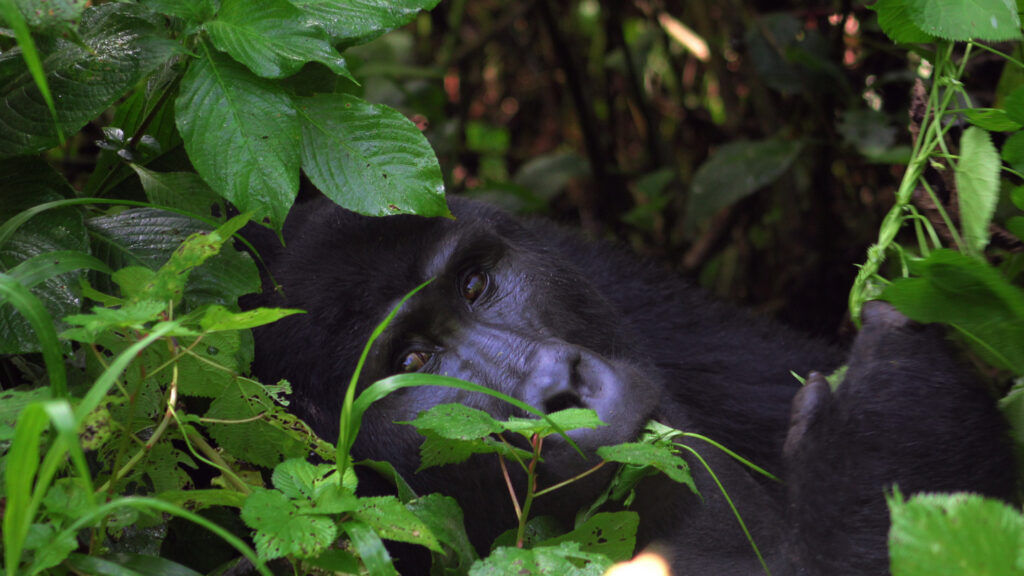
While these prices may seem steep, they are the primary engine for conservation. In 2026, these funds are more critical than ever, supporting community projects that discourage poaching and ensure the survival of the mountain gorilla population, which continues to show a heartening upward trend.
2. The VAT Debate: Comfort at a Cost
One of the most discussed topics in the Ugandan hospitality sector is Value Added Tax (VAT). Historically, there has been a push-and-pull between the government and the tourism board regarding the 18% VAT on upcountry lodges. As of 2026, the status remains nuanced. While the government has previously experimented with scrapping VAT on upcountry accommodation to boost competitiveness, the 18% levy generally applies to most luxury stays. For a premier lodge charging $1,500 to $2,500 per night, VAT can add a significant margin. However, many “Tier 1” ultra-luxury lodges now offer all inclusive pricing, absorbing these taxes into their rates to provide a seamless booking experience for the guest.
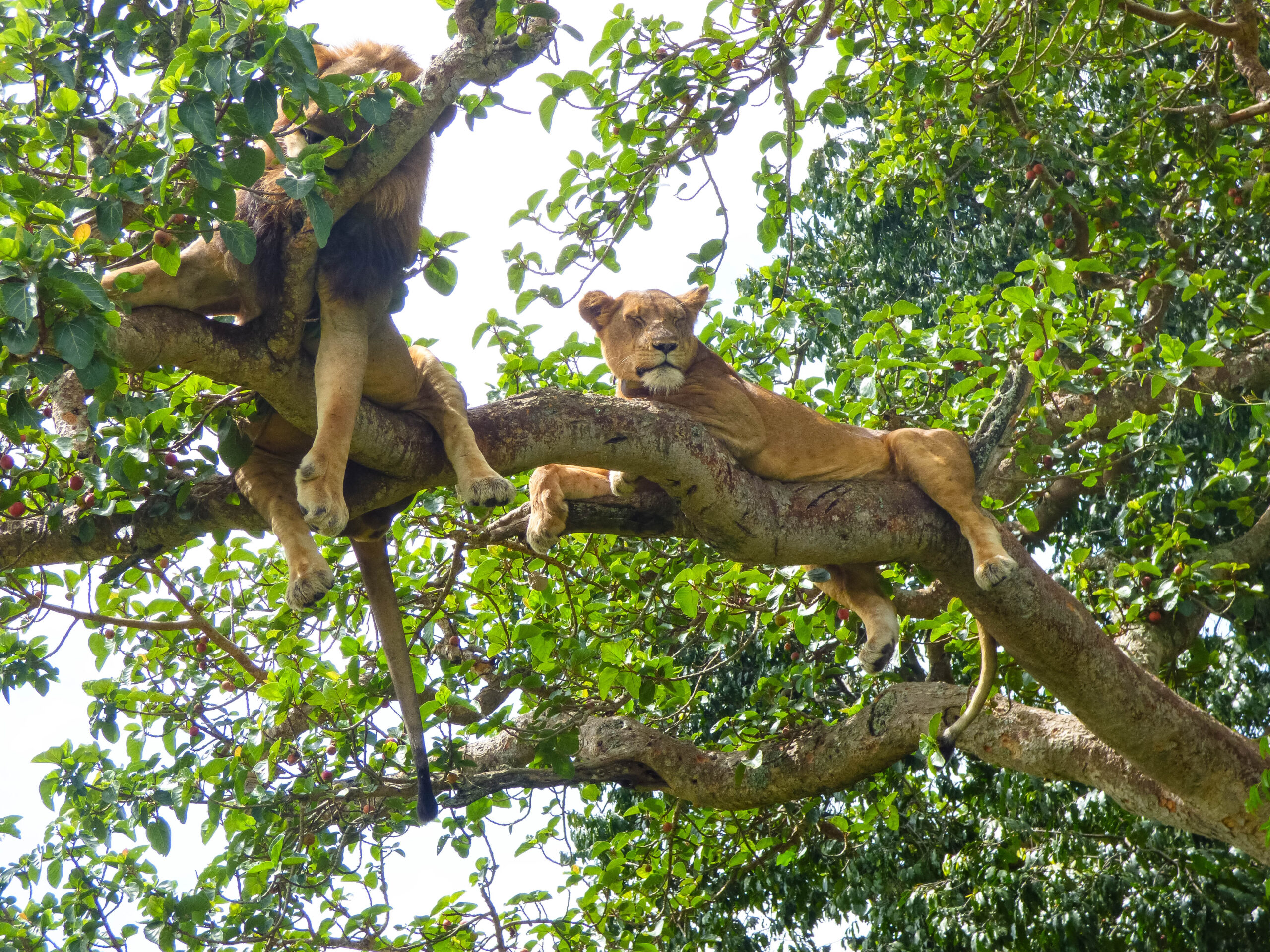
Queen Elizabeth National Park
3. Local Hotel Tax and Infrastructure Levies
For luxury travelers, understanding Luxury Travel and Tourism Taxes in Uganda is an essential part of planning a seamless Ugandan safari. Beyond the standard 18% VAT and the $800 gorilla permit, smaller localized fees also apply. These include the Local Hotel Tax (LHT), typically a modest daily charge, and Infrastructure & Import Levies, introduced in the 2025/2026 budget on imported goods. While these levies don’t hit your wallet directly, they have contributed to higher costs for fine wines, spirits, and specialized luxury equipment imported by high-end lodges. Factoring in these taxes and fees ensures travelers are prepared while supporting the sustainable operation of lodges, local communities, and wildlife conservation.
4. Conservation Tariffs & Park Fees
While technically “fees” rather than taxes, these government-mandated costs are non-negotiable and form a large part of your “tax” burden. The current UWA (Uganda Wildlife Authority) Tariff is valid through June 30, 2026.
| Category | Cost (Foreign Non-Resident) | Note |
| Gorilla Trekking Permit | $800 | Includes park entry for the day and trackers. |
| Gorilla Habituation | $1,500 | A more exclusive, 4-hour experience. |
| Chimpanzee Tracking | $250 | Based in Kibale Forest. |
| Daily Park Entry | $40 – $45 | Varies by park (e.g., Murchison Falls is $45). |
5. Navigating the Logistics
For the luxury traveler, the cost of entry is often about more than just the gate fee. To maintain the exclusive feel of a private safari, several logistical fees are often overlooked during the initial dreaming phase: Aircraft Landing & Parking Fees: If you are bypassing the long drives via a private charter to airstrips be prepared for navigation and landing fees. While often bundled into your charter price, they are government mandated costs that contribute to the upkeep of remote infrastructure. Special Activity Fees: Want to enjoy a private sundowner in the middle of Queen Elizabeth National Park or a bush breakfast in Murchison Falls? These require specific UWA permits ranging from $30 to $100 per event to cover the presence of armed rangers and site usage. Filming and Drone Permits: For those looking to capture their journey with professional grade equipment or drones, Uganda maintains strict and expensive regulations. Drone permits can involve a lengthy vetting process and significant security fees.
6. The “Giving Back” Levy
In 2026, the trend in luxury travel has shifted from leave no trace to leave a legacy. Most high end lodges now include a mandatory or highly encouraged Community Development Levy. This isn’t a government tax, but a self-imposed industry standard. These funds go directly to the frontline: Water Sanitation building boreholes in villages bordering Bwindi. Education: Funding teacher salaries in remote areas. Human Wildlife Conflict: Building beehive fences to keep elephants away from community crops.
Is the Premium Worth It?
When you factor in the 18% VAT, the $800 gorilla permit, and luxury lodge rates, a Ugandan safari is undeniably a significant investment. But it’s an investment in a circular economy. Through operators like Jackal Adventures, the high-cost, low impact model used in the Pearl of Africa ensures that your presence directly funds conservation, community livelihoods, and long term protection of wildlife. In 2026, luxury isn’t defined by thread count or cellar lists. Your journey with Jackal Adventures helps fund ranger patrols, supports local communities, and preserves critical habitat. It’s understanding that your travel is a primary reason the mountain gorilla still has a forest to call home.